TAMRA Vinylsulfone
Size of product (mg)
-
1 mg

-
5 mg

-
25 mg

TAMRA Vinylsulfone
Cat. No. List below
Description
Key features:
1. Bright yellow fluorescence
2. pH insensitivity and high temperature stability
3. Excitation/Emission maxima: 553/575 nm
4. Extinction coefficient: ≥ 54,000 cm?¹M?¹
5. CF280: 0.2
6. Molecular Weight: 549.64 g/mol
7. Appearance: Red solid
8. Solubility: DMF
9. Storage: 4°C, protected from light
Applications:
1. Labeling of antibodies, peptides, proteins, and oligonucleotides.
2. Automated DNA sequencing.
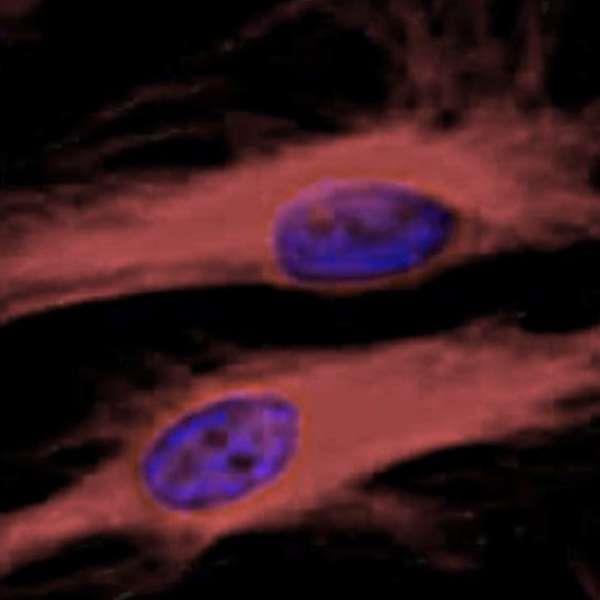
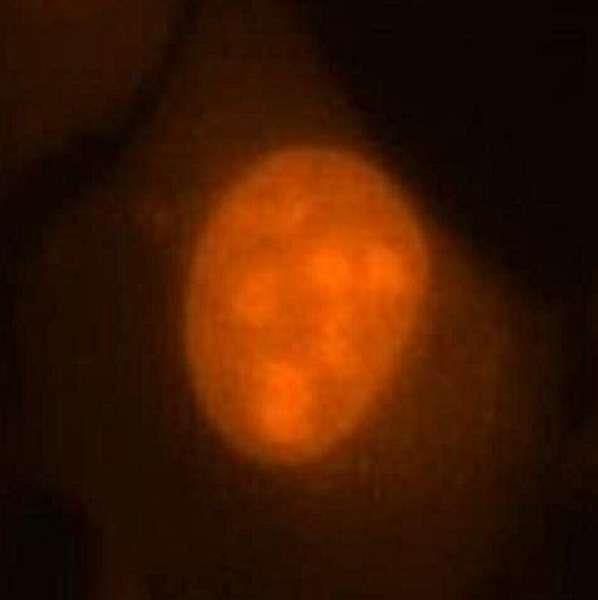
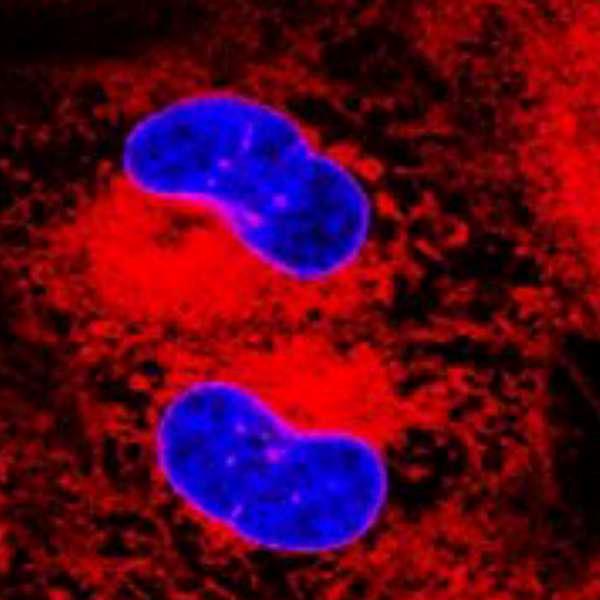
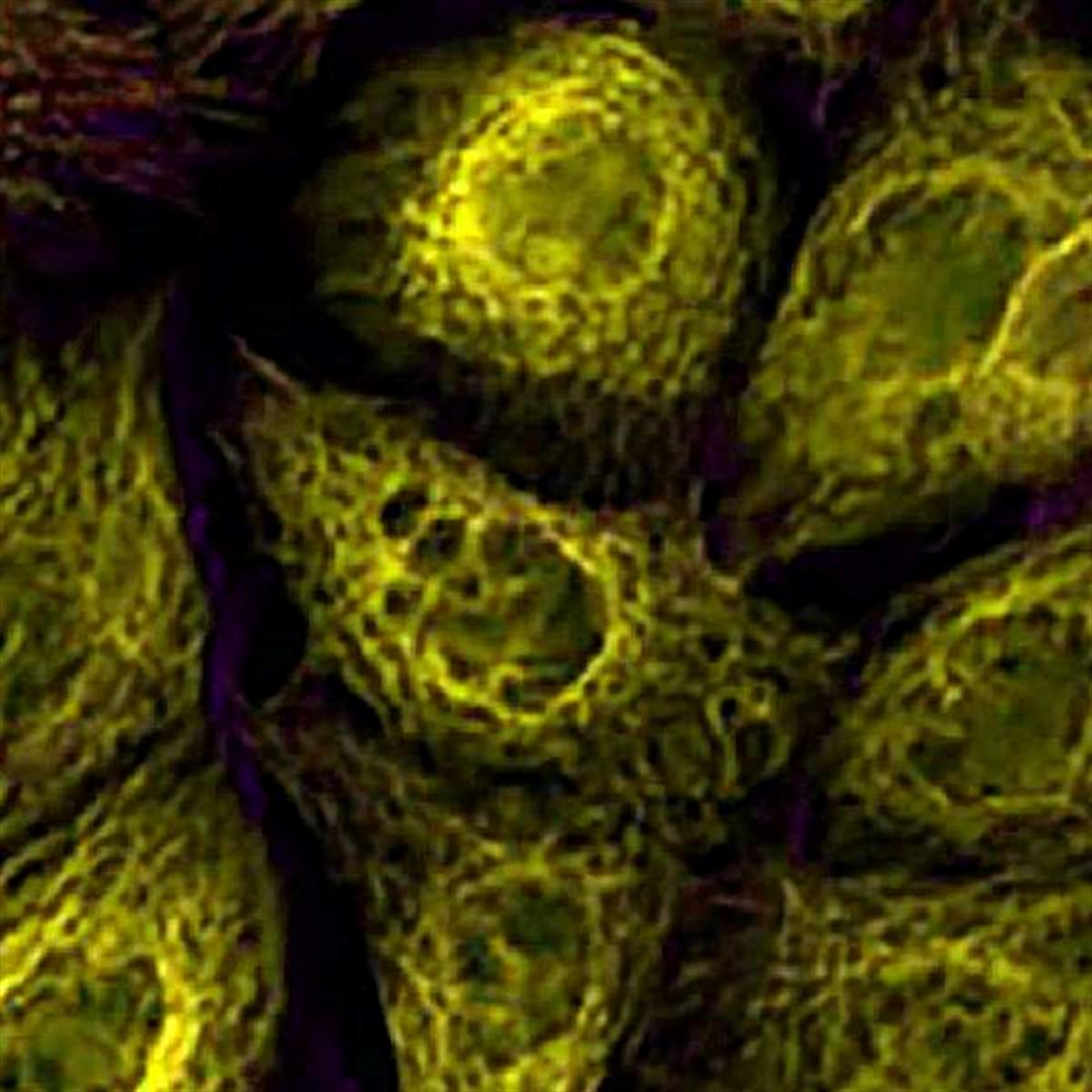
3. Fluorescence microscopy and confocal imaging.
4. Flow cytometry
5. Fluorescence in situ hybridization (FISH)
6. Single-molecule detection
7. Protein tracking and localization studies
Advantages:
1. Stable fluorescence signal across a wide pH range
2. High temperature resistance for versatile experimental conditions
3. Efficient excitation with 543 or 546 nm laser lines
4. Spectrally similar to popular dyes like DyLight 549, ATTO 550, and Cy3 for easy integration into existing protocols
5. Forms stable amino linkages with biomolecules through vinylsulfone chemistry
6. Suitable for harsh labeling conditions, including less reactive amines and prolonged reaction times
7. Minimal interference with native biochemical processes
8. Enhanced photostability compared to traditional fluorophores
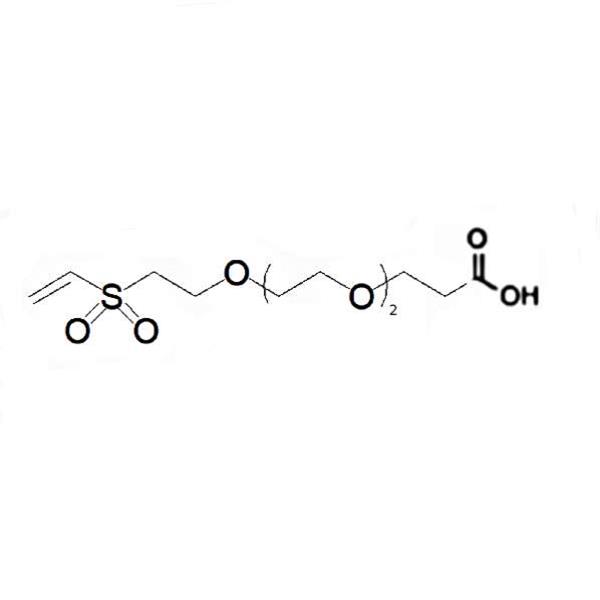
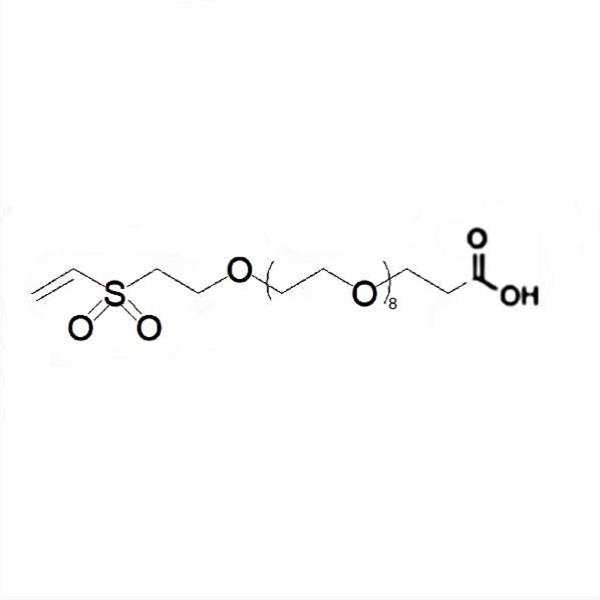
The vinylsulfone reactive group of TAMRA Vinylsulfone readily reacts with primary amines of amino-modified oligonucleotides or proteins, forming a stable amino linkage between the dye and the target biomolecule. This reaction occurs efficiently under a wide range of pH conditions, with the labeling rate proportional to the basicity of the medium.
Recent studies have shown that vinyl sulfone-based fluorophores exhibit good stability and photostability in a broad pH range, making them excellent candidates for long-term imaging experiments. Additionally, these probes have demonstrated improved biocompatibility compared to their nitro-based counterparts, with low cytotoxicity observed in both cancer and normal cell lines.
TAMRA Vinylsulfone's unique combination of pH insensitivity, temperature stability, and efficient conjugation chemistry makes it an excellent choice for researchers seeking reliable and versatile fluorescent labeling options. Its ability to maintain performance under challenging conditions and compatibility with various biomolecules position TAMRA Vinylsulfone as a valuable tool for advancing fluorescence-based research across multiple disciplines in life sciences.
- Fluorophore: TAMRA
- Reactive group: Vinylsulfone
- Excitation/Emission Max.(nm): 553/575
- Spectrally similar dyes: DyLight549, Cy3, ATTO550
- Extinction coefficient: ≥ 54,000 cm-1M-1
- CF280: 0.2
- Appearance: Red Solid
- Molecular Weight: 549.64 g/mol
- Solubility: DMF
- Storage conditions: 4 ℃, protect from light
| Quick link (Cat.#) | Series | Quick link (Cat.#) | Series |
| KWS1025 | TAMRA NHS ester | KWSN1025 | TAMRA Sulfo-NHS ester |
| KWA1020 | TAMRA Vinylsulfone | KWM1057 | TAMRA Maleimide |
| KWZ1025 | TAMRA Azide | KWH1025 | TAMRA Hydrazide |
| KWK1025 | TAMRA Alkyne | KWG1025 | TAMRA PEG4-Alkyne |
| DWR1001 | TAMRA ADIBO | KWE1025 | TAMRA Amine |
| KWT1057 | TAMRA Thiol | KWR2025 | TAMRA Dichlorotriazine |
Background
Other Labeling Dyes
BioActs provides other traditionally used dyes such as 5(6)-Carboxyfluorescein (FAM) and 5(6)-Carboxytetramethylrhodamine (TAMRA) dyes for labeling of biomolecules. FAM is one of popular green fluorescent reagents used for labeling peptides, proteins and nucleotides. In addition to relatively high absorptivity, good fluorescence quantum yield and good water solubility, FAM has an excitation maximum that closely matches the 488 nm spectral line of the argon-ion laser. TAMRA fluorophore has been a widely used for preparing bioconjugates, especially fluorescent antibody and avidin derivatives. TAMRA dye is also widely utilized for oligonucleotide labeling and automated DNA sequencing applications. TAMRA is often used as FRET acceptor for FAM fluorophore.
- Other fluorescent dyes such as Cyanine, ICG, TAMRA, FAM, etc. are also available.
- All dyes are equipped with various reactive and functional groups.
- High quality and excellent performance
Table 1. TAMRA dye applications


Figure 1. Structure of FAM and TAMRA dyes
Citation & Reference
1. PYARE L. KHANNAA. 4',5'-Dimethoxy-6-carboxyfluorescein: a novel dipole-dipole coupled fluorescence energy transfer acceptor useful for fluorescence immunoassays. Anal Biochem 108.1 (1980): 156-61.
2. Torimura M. Fluorescence-quenching phenomenon by photoinduced electron transfer between a fluorescent dye and a nucleotide base. Anal Sci 17.1 (2001): 155-60.
3. Sylvie Soulie-Begu. In-vivo pharmacokinetic study of two fluorescein derivatives by fluorescence spectroscopy. Optical Biopsies 2627 (1995).
4. Danny van Lierop. Positively charged silver nanoparticles and their effect on Surfaceenhanced Raman scattering of dye-labelled oligonucleotides. Chem. Commun 48 (2012): 8192-8194.
5. Pete Theisen. Fluorescent Dye Phosphoramidite Labelling of Oligonucleotides. Tetrahedron Letters 33.35 (1992): 5033-5036.