PVLA

Product#: FNK-PV-LA-100
$146.18
Availability:
Ships in 24 hours

PVLA


Cat No. FNK-PV-LA-100


Product Name PVLA
Product Molecular Mass mw: 170,000
Lot No.  44167
Reagent Powder
Quantity 100mg
Storage Store at room temperature
Purity 85%
Protocol Prepared at time of use
1. Dissolve PVLA in water to 100ug/mL
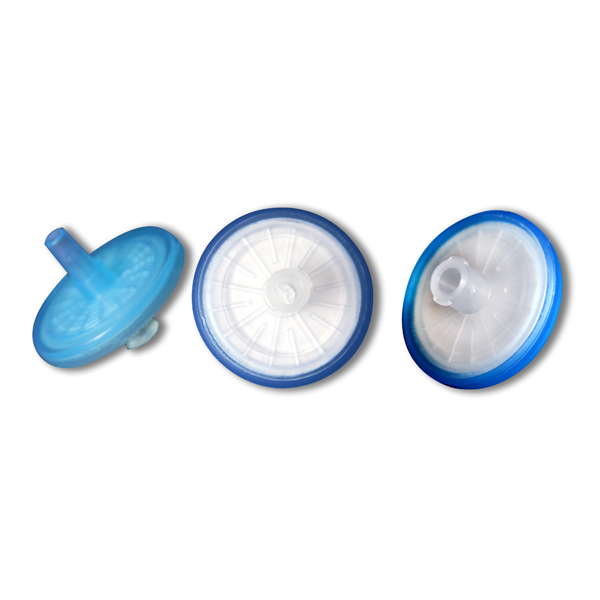
2. Pass through a sterilization filter
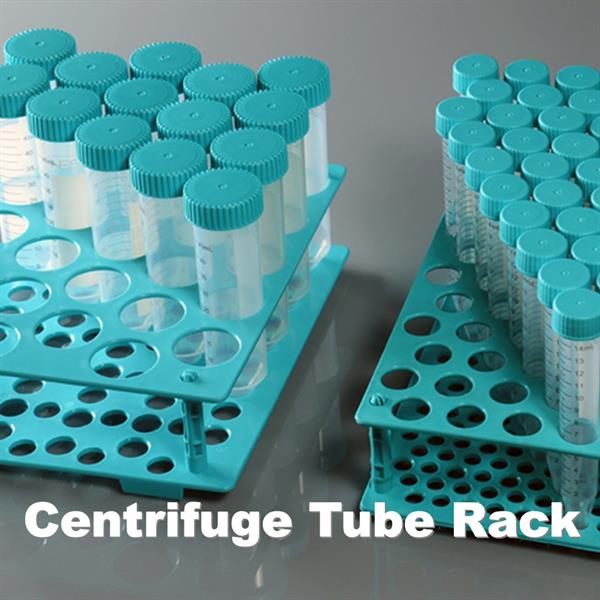
3. Coat the culture vessel and incuvate at 37℃ for 2 hr
4. Washed with PBS three times, and then cells were seeded

Description

PVLA (poly(δ-valerolactone-co-D,L-lactide)) is a synthetic polymer with interesting chemical and physical properties. It is often used in biomedical applications due to its unique characteristics[1][2][3].

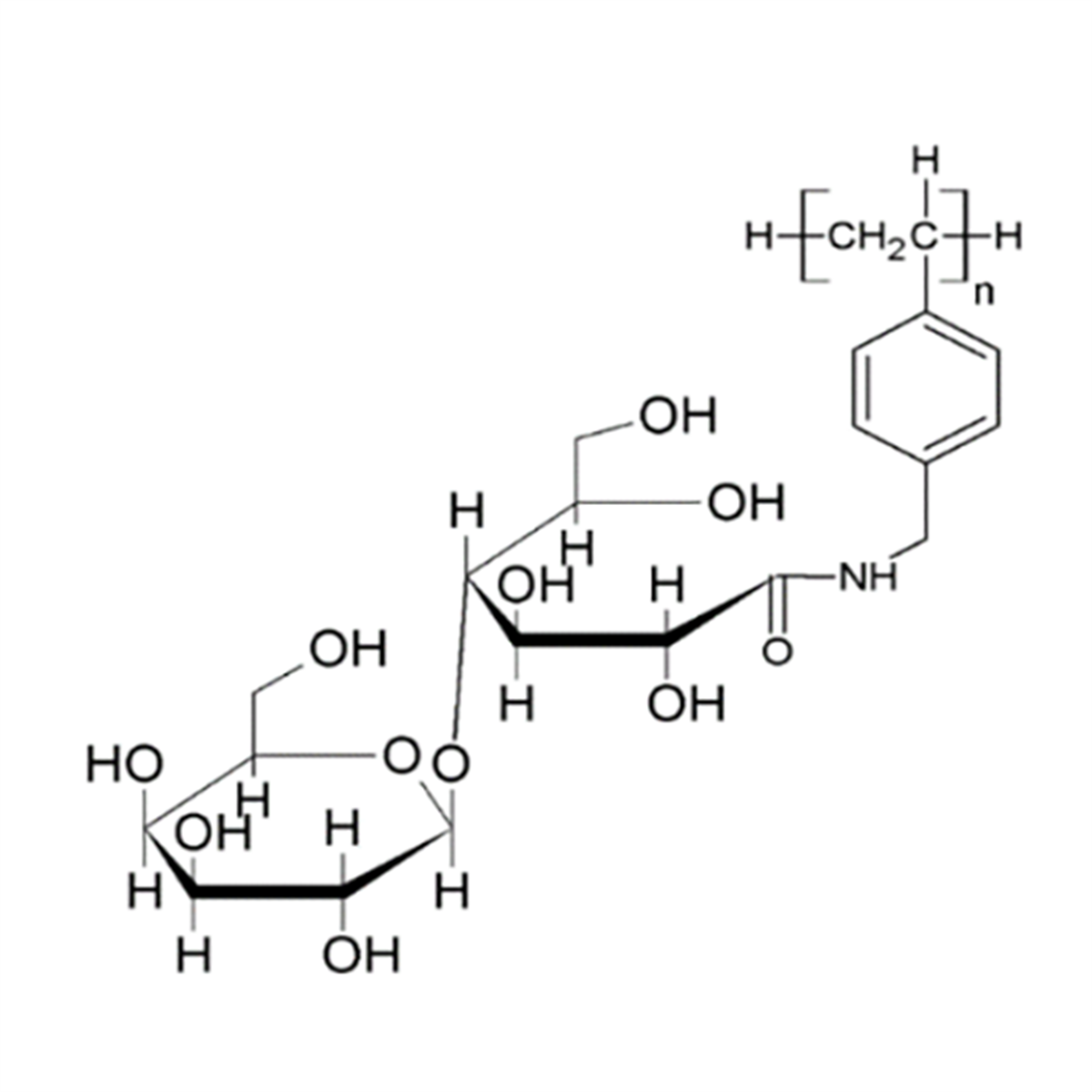
The chemical structure of PVLA includes β-galactose residues, which are key to its functionality[1]. This galactose-carrying polymer can be designed to have specific interactions with biological systems, making it useful for targeted drug delivery and other biomedical applications[1][4].

PVLA can be combined with other polymers to create copolymers with tailored properties. For example, PVLA-PEG-PVLA (where PEG is poly(ethylene glycol)) is a thermosensitive triblock copolymer[2][3]. This copolymer exhibits interesting behavior in aqueous solutions:

1. At room temperature, it self-assembles into flowerlike spherical micelles, forming a low-viscosity fluid[2].
2. As temperature increases, it undergoes a phase transition, transforming into a gel-like structure[2].

This temperature-responsive behavior makes PVLA-PEG-PVLA potentially useful for applications such as injectable drug delivery systems or tissue engineering scaffolds.

PVLA also demonstrates interesting adsorption properties. It can preferentially adsorb to polystyrene surfaces rather than other polymeric materials like poly(methyl methacrylate)[4]. This selective adsorption is likely due to hydrophobic interactions between the styrene backbone of PVLA and the polystyrene surface[5].

The water solubility of PVLA, combined with its ability to adsorb onto hydrophobic surfaces, makes it a versatile polymer for various applications in biotechnology and materials science[4][5]. These properties allow PVLA to act as a bridge between hydrophilic and hydrophobic environments, which is particularly useful in creating functionalized surfaces or nanoparticles for biomedical applications[1].

Citations:
[1] https://www.researchgate.net/figure/Chemical-structure-of-PVLA-b-galactose-carrying-polymer_fig1_5533765
[2] https://pubs.acs.org/doi/abs/10.1021/acsmacrolett.7b00523
[3] https://pubs.acs.org/doi/pdf/10.1021/acsmacrolett.7b00523
[4] https://pubmed.ncbi.nlm.nih.gov/8600146/
[5] https://wbc2024.com/index.php?ACT=abs_view&GP=program%2Fposter_list&SH=NON&key=2560


Satisfaction
Quality Rating
Value Rating
Style Rating
X