

Anti-Rad51, Rabbit-Poly
Product#: FNK-70-001
$246.66
Availability:
Ships in 1-2 Weeks
Anti-Rad51, Rabbit-Poly
General information
| Cat. No. | :FNK-70-001 |
| Size | :100 uL |
| Host Species | :Rabbit |
| Immunogen | :Full-size recombinant human Rad51 protein (His-tag removed) |
| Application |
|
| Reactivity | :Human, rodents, chicken and xenopus |
| Storage | :Sent at 4℃ and store at -20℃. |
| Form | :Rabbit antiserum added with 0.09% sodium azide. |
| Data Link | :UniProtKB/Swiss-Prot Q06609 (RAD51_HUMAN) |
Description
Human Rad51 protein is a functional and structural homolog of E.coli RecA protein, which plays a major role in genetic recombination and recombination repair by mediating strand exchange reaction between homologous DNA strands. Rad51 functionally and physically interacts with its paralogs Dmc1, Rad51B, Rad51D, Xrcc2 and Xrcc3, and also with Rad52 in recombination processes. It also interacts with oncogenes and tumor suppressors such as BRACA1, BRACA2, and p53 for the maintenance of genome stability.
 |
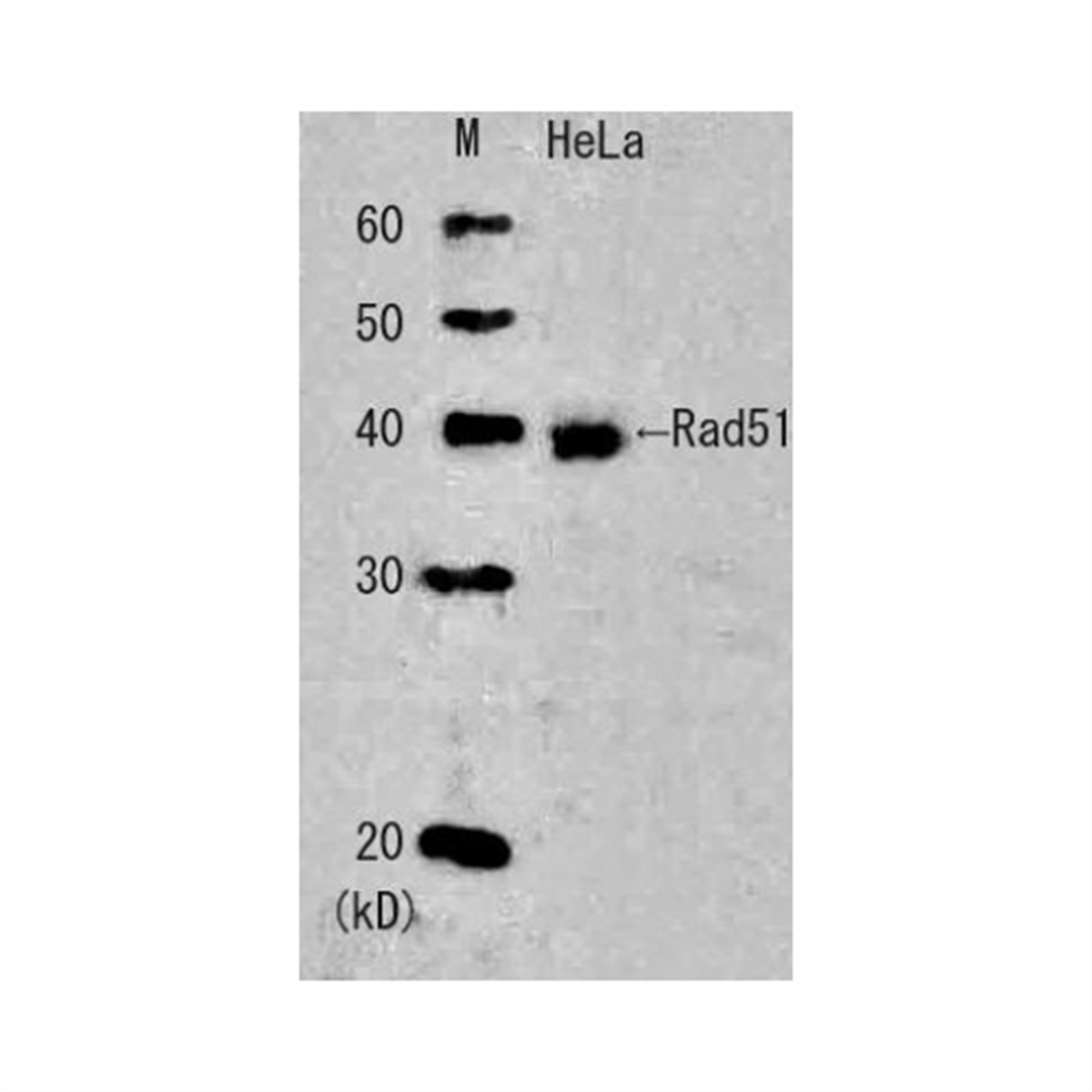
Fig.1 Detection of endogenous Rad51 in whole cell extract of HeLa cells. |
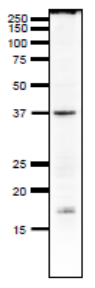 |
Fig.2 Detection of endogenous Rad51 in crude extract of Xenopus.
The antibody was used at 1/1,000 dilution. |
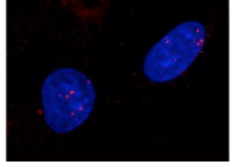 |
Fig.3 Detection of Rad51 foci: formation induced by DNA damage.
Normal human diploid cells were irradiated by X-ray (0.5 Gy) and after 6 hr incubation, the cells were fixed and immunostained by using anti-Rad51 serum at 1/100 dilution) as the primary antibody and Alexa 594 labeled anti-rabbit antibody as the secondary antibody. (The picture was kindly provided by Prof. K. Suzuki, Medical School of Nagasaki Univ.) |
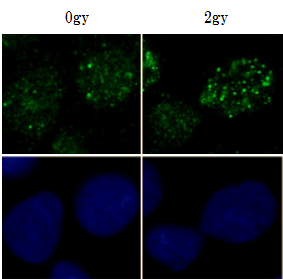 |
Fig.4 Induction of Rad51 foci formation by X-ray Irradiation.
Human osteosarcoma U2OS cells X-ray irradiation before and 2h after were immunostained with the anti-Rad51 antibody at 1/6,000 dilution. The lower panels were the same cells with Hoechst. |
References: This antibody has been used in the following publications.
- Nakano T et al, Homologous Recombination but Not Nucleotide Excision Repair Plays a Pivotal Role in Tolerance of DNA-Protein Cross-links in Mammalian Cells. J. Biol. Chem. 284:27065-27076 (2009).JBC open access pdf IF (human)
- Vaz F et al, Mutation of the Rad51C gene in a Fanconi anemia-like disorder. Nature Genetcs 42:406-409 (2010) PMID: 20400963 IF (human)
- Nakada S. et al. RNF8 regulates assembly of RAD51 at DNA double-strand breaks in the absence of BRCA1 and 53BP1. Cancer Res.2012 Oct 1;72(19):4974-83. WB, IF (human)
- Shima H. et al, Activation of the SUMO modification system is required for the accumulation of RAD51 at sites of DNA damage. J Cell Sci. 126: 5284-92 ( 2013) PMID: 24046452 WB, IF (human)
- Okimoto S. et al. hCAS/CSE1L regulates RAD51 distribution and focus formation for homologous recombinational repair. Genes Cells 20, 681–694, (2015) IF (human)
- Kobayashi S. et al. Rad18 and Rnf8 facilitate homologous recombination by two distinct mechanisms, promoting Rad51 focus formation and suppressing the toxic effect of nonhomologous end joining. 2015 Aug 13;34(33):4403-11. IF (human, chicken)
- Hoa N N. BRCA1 and CtIP Are Both Required to Recruit Dna2 at Double-Strand Breaks in Homologous Recombination. PLOS one.: April 24, 2015. PMC 4409214/ IF (chicken)
- Tada K. et al. Abacavir, an anti–HIV-1 drug, targets TDP1-deficient adult T cell leukemia. Science Advances24 Apr 2015: Vol. 1, No. 3. PMID 26601161 IF (human)
- Orthwein A et al. A mechanism for the suppression of homologous recombination in G1 cells. 2015 Dec 17;528(7582):422-6. IF (human)
- Ning-Ang Liu. Regulation of homologous recombinational repair by lamin B1 in radiation-induced DNA damage. FASEB J.2015 Jun;29(6):2514-25. WB, IP, IF (human)

Recently Viewed
Anti-Tfg2p, Rabbit-Poly
$346.79
Ginsenoside Rc
$255.80
Ginsenoside Rd
$255.80
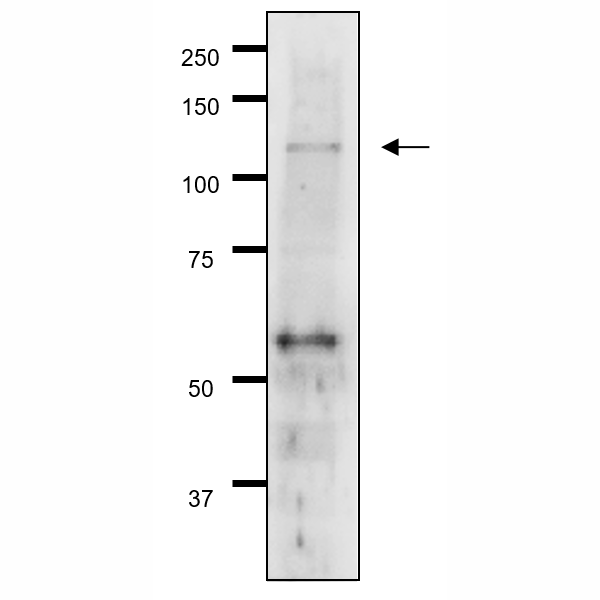
Anti-Gal11p, Rabbit-Poly
$302.79
APTT Reagent R1
$335.39
Protein Labeling
$0.00
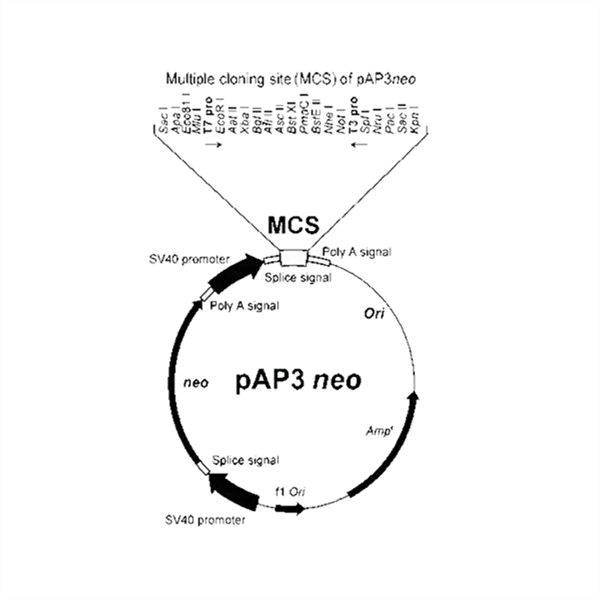
cDNA Library
$0.00
Large Volume Tips
$0.00
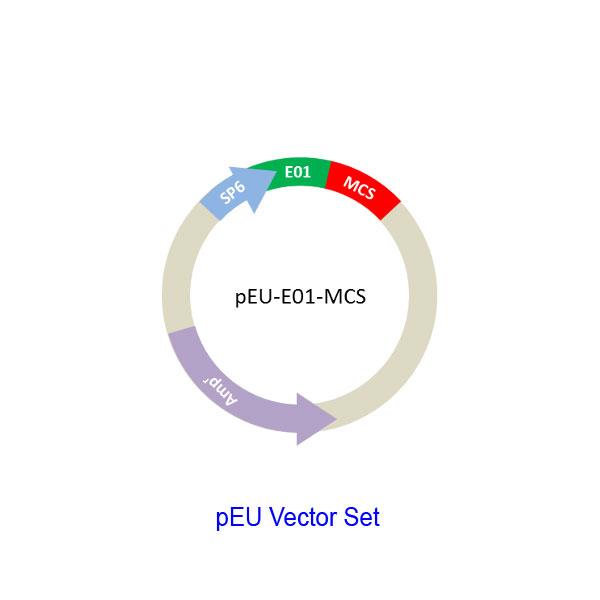
pEU Vector Set
$611.49
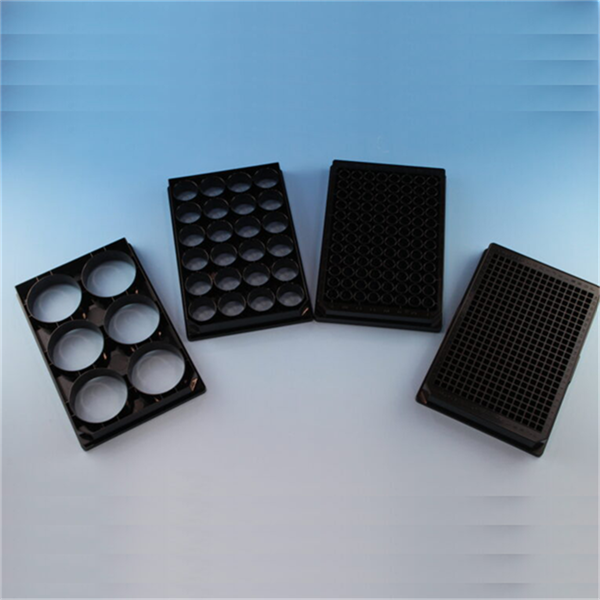
Bottomless microplate
$0.00
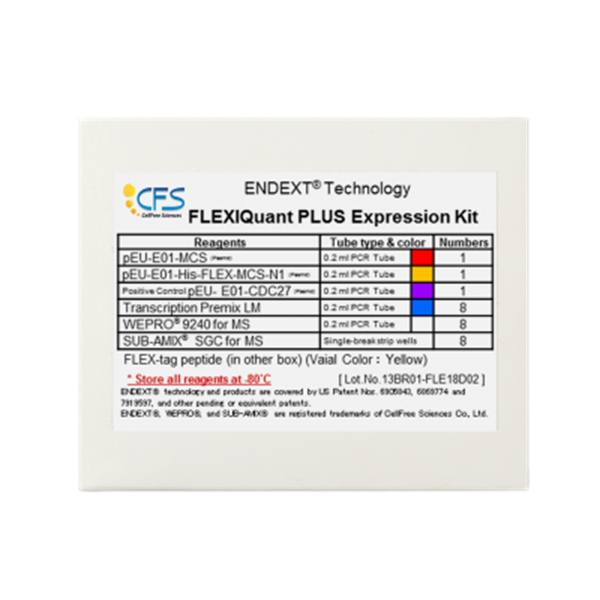
FLEXIQuant PLUS Expression Kit
$2204.73
Cell Structure Analysis
$0.00