

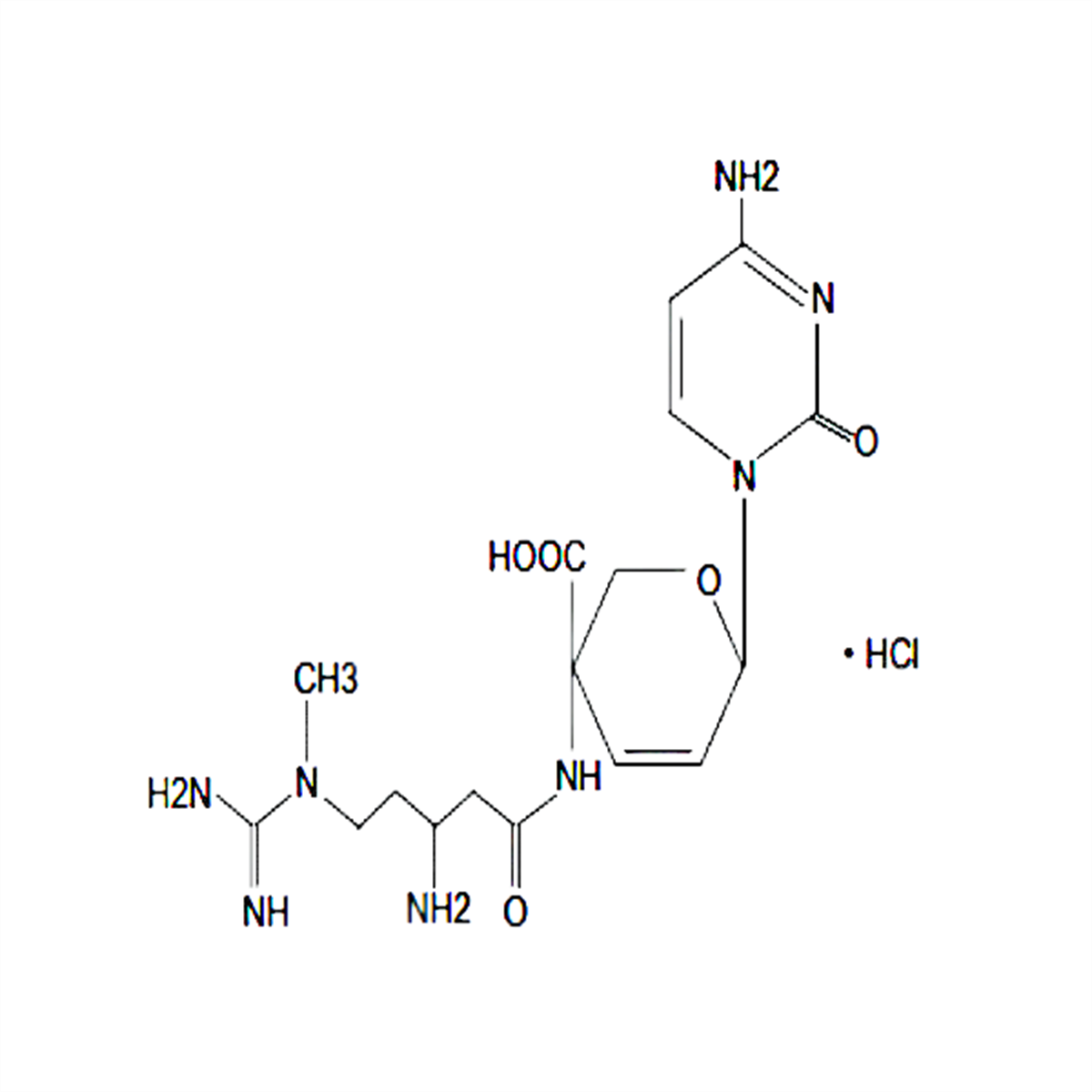
Blasticidin S, Hydrochloride, KK-400 (1g)
Blasticidin S, Hydrochloride
Cat. No.: FNK-KK-400-1
Size 100mg / 1 g
Storage 4°C
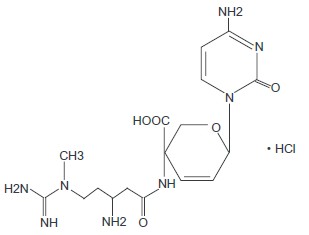
Specifications
Powder
Formula: C17H26N8O5 HCl
MW: 458.90
PubChem ID: 356629
UN Number: 2811
Store/Handle at 4°C
Solubility: Water
Description
Blasticidin S is a nucleoside antibiotic, isolated from Streptomyces griseochromogenes by Japanese researcher (J Antibiot (Tokyo). 1958 Jan;11(1):1-5.). Blasticidin S inhibits protein synthesis in both Prokaryotic cells and Eukaryotic cells through inhibition of peptide bond formation in the ribosomal machinery.
Blasticidin S is a useful tool for the selection of transformants carrying bsr or BSD resistance genes. Blasticidin has been employed as a selection agent and has shown antiviral, anticancer, and antifungal activities in addition to its antimicrobial ones. In addition to HEK293-T cells and HEK-D5 cells, it has been used to select for cells that have the bls, bsr, or BSD resistance gene. Blasticidin is also useful for researching protein synthesis and reducing contamination of cell cultures.
Blasticidin S works by preventing the ribosome from forming peptide bonds. Due to the big ribosomal subunit's high affinity for tRNA, it prevents hydrolysis of peptidyl-tRNA.
To determine if antibiotics are effective against certain bacterial species, clinical in vitro assays called antimicrobial susceptibility tests, or ASTs, are frequently performed. Medical microbiologists test them utilizing panels, discs, and MIC strips against gram-negative and gram-positive bacteria. The results of ASTs are used in clinical settings to choose which antibiotic(s) to provide for different illnesses since they reduce the danger of taking an antibiotic against bacteria that have developed a resistance to it.
| Product No. | Size | Link |
| FNK-KK-400-100 mg | 100 mg |  |
| FNK-KK-400-1 g | 1 g | |
