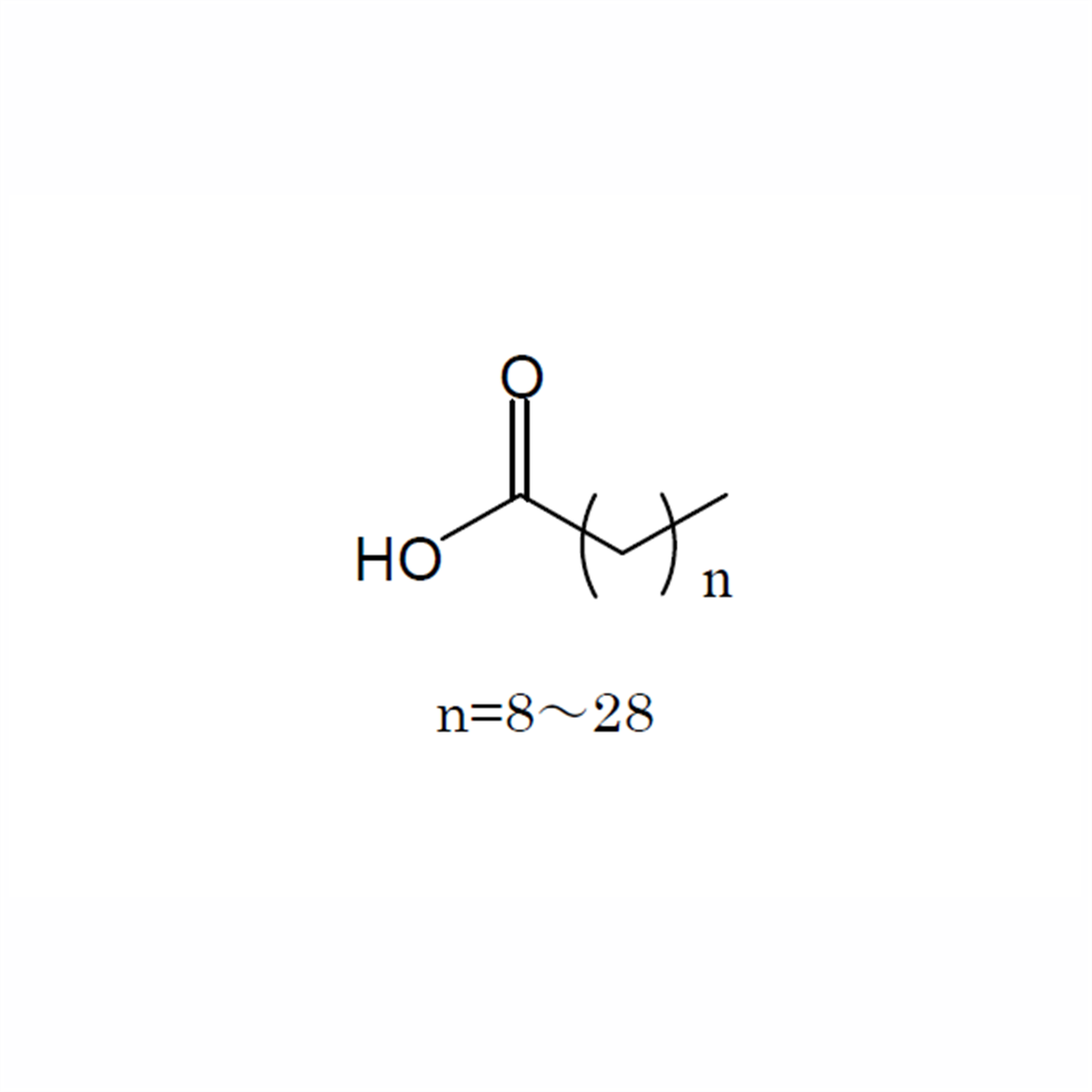
Tricosanoic acid
Product#: FNK-NS411603
$153.48
Availability:
Ships in 1-2 Weeks
Tricosanoic acid
- CAT Number : FNK-NS411603
- CAS Number : 2433-96-7
- Molecular Weight : 354.62
- Molecular Formula : C23H46O2
- Pack size: 100 mg
- Store: 2-10 ℃
- Purity: >99.5%(HPLC)
Tricosanoic acid is a very long-chain fatty acid with 23 carbon atoms, also known as N-tricosanoate or tricosylate. It is a naturally occurring compound found in various biofluids and plant sources.
Properties
Molecular formula: C23H46O2
Molecular weight: 354.61 g/mol
CAS Number: 2433-96-7
Appearance: Solid
Solubility: Practically insoluble in water, slightly soluble in DMSO
Applications and usage
- Used as a research chemical in scientific studies
- Potential biomarker for consumption of certain foods like citrus, date, and papaya
- Known to have tumor-suppressing activity
- Store at -20°C as a powder for up to 3 years; in solvent at -80°C for up to 1 year
- Handle with appropriate safety precautions in a laboratory setting
- Considered a potentially toxic compound
- Shipping requirements: Dry Ice
Cardiovascular and Metabolic Diseases
Tricosanoic acid, along with other odd-chain saturated fatty acids (OCSFAs), has shown potential beneficial effects on cardiovascular and metabolic health:
- Type 2 Diabetes: Several epidemiological studies have found an inverse association between circulating very-long-chain saturated fatty acids (VLCSFAs), including tricosanoic acid, and the risk of developing type 2 diabetes
- Cardiovascular Disease: Higher levels of VLCSFAs, including tricosanoic acid, have been associated with lower risks of atrial fibrillation, heart failure, and coronary heart disease
Tricosanoic acid may play a role in neurological health and disease:
- Alzheimer's Disease: OCSFAs, including tricosanoic acid, are being studied as potential treatments for Alzheimer's disease due to their ability to increase membrane fluidity more effectively than polyunsaturated fatty acids (PUFAs)
- Multiple Sclerosis: Some studies have shown a positive association between OCSFAs and reduced risk of multiple sclerosis
Tricosanoic acid has been linked to reduced inflammation in various contexts:
- Nonalcoholic Steatohepatitis: Research has indicated a positive association between OCSFAs and reduced risk of nonalcoholic steatohepatitis
- General Inflammation: Epidemiological studies have shown a positive association between OCSFAs and reduced risk of inflammation
Tricosanoic acid has shown potential in cancer research:
- Prostate Cancer: Levels of tricosanoic acid have been found to be increased in malignant prostate tissue compared to adjacent non-malignant tissue
- Adjuvant Therapy: OCSFAs, including tricosanoic acid, are being studied as potential adjuvant therapies in cancer due to their cell signaling properties that can induce targeted apoptosis
Tricosanoic acid has been associated with certain skin conditions:
- Papulopustular Rosacea: Levels of tricosanoic acid have been found to be decreased in the sebum of patients with papulopustular rosacea
Tricosanoic acid may have implications for cognitive function, particularly in the context of stroke:
- Post-Stroke Cognitive Function: A study found that tricosanoic acid levels were not significantly correlated with cognitive function tests performed 6 months after stroke