Phepropeptin A Proteasome Inhibitor
Product#: FNK-16964
$598.00
Availability:
Ships in 24 hours
Phepropeptin A Proteasome Inhibitor
Cat No.: FNK-16964
Size: 1mg
Specifications
Code No: 16964
CAS#: 396729-23-0
Molecular Formula: C37H58N6O6
Molecular Weight: 682.907
Source: Streptomyces sp. MK600-cF7
Appearance: Powder
Purity: > 98% (HPLC)
Long Term Storage: at - 20 °C
Solubility: Soluble in MeOH, DMSO, DMF
Insoluble in H2O
Application Notes
Phepropeptin A was isolated from cultured broth of Streptomyces sp. MK600-cF7 as an inhibitor of
proteasome (IC50 value 21.0 μg/ml).
It showed no inhibition toward proteasomal trypsin-like activity
and α-chymotrypsin from bovine pancreas at 100 μg/ml.
Description
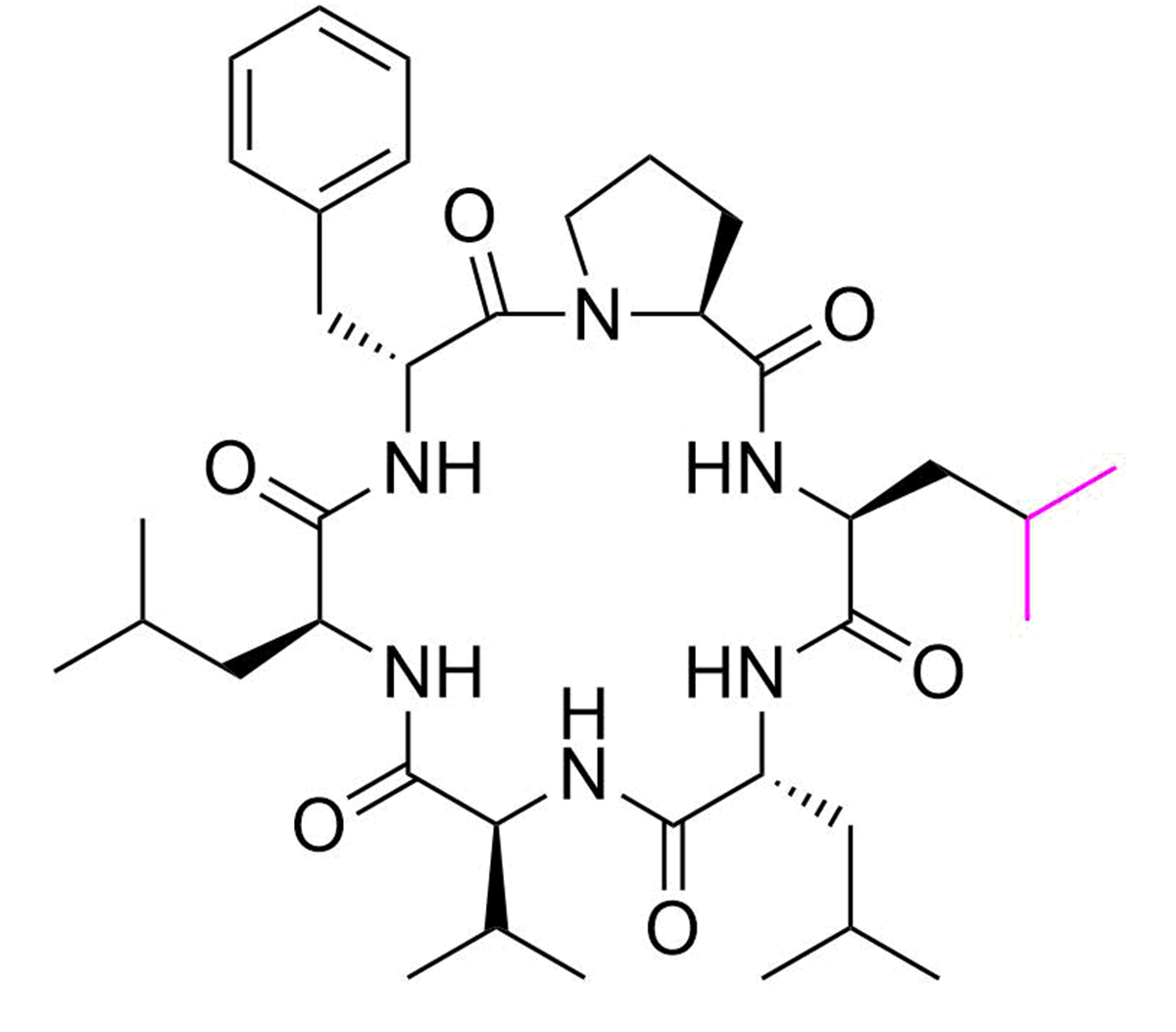
Phepropeptin A is a cyclic hexapeptide compound that functions as a proteasome inhibitor. It is one of four related compounds, along with phepropeptins B, C, and D, isolated for their ability to inhibit proteasomes, which are cellular structures responsible for regulating many important functions within cells.
The structure of phepropeptins was determined through NMR analysis, revealing that they are cyclic hexapeptides with four conserved amino acid moieties. While the exact structure of phepropeptin A is not explicitly stated in the search results, the structure of phepropeptin B was determined to be cyclo(-L-Leu-D-Phe-L-Pro-L-Phe-D-Leu-L-Val-). It's likely that phepropeptin A has a similar structure with slight variations in two of the amino acid residues.
Phepropeptins, including phepropeptin A, demonstrate specificity in their inhibitory action. They show inhibition of the proteasomal chymotrypsin-like activity but do not inhibit alpha-chymotrypsin. This selective inhibition suggests that phepropeptin A could potentially be used as a tool for studying proteasome function or as a lead compound for developing therapeutic proteasome inhibitors.
Phepropeptin A is available commercially as a research tool, with a purity of greater than 98%. It is used in scientific research to study proteasome inhibition and its effects on cellular processes.
References
1) Isolation and structural determination of pheptopeptins A, B, C and D, new proteasome inhibitors produced by
Streptomyces sp. Sekizawa R, et al. J Antibiot. 2001 54(11) 874-881.
Related Products:
| Enzyme Inhibitors | Compound Name | Product Code | Link | ||||
|---|---|---|---|---|---|---|---|
| Serine carboxypeptidase inhibitor | Belactin A | FNK-17736 |  |
||||
| Tyrosine hydroxylase inhibitor | Oudenone (Potassium Salt) | FNK-16640 | |
||||
| Proteasome inhibitor | Phepropeptin A | FNK-16964 | Current Link | ||||
| Phepropeptin B | FNK-16965 | |
|||||
| Phepropeptin C | FNK-16966 | |
|||||
| Phepropeptin D | FNK-16967 | |
|||||
| Angiotensin-converting enzyme (ACE) inhibitor | Foroxymithine | FNK-16968 | |
||||
| Biological Activity on Cells and Organisms | Compound Name | Product Code | Link | ||||
| Inhibition of NO production in macrophage | SF2425 (Sulfate) | FNK-17577 | |
||||
| Antitumor effect/Cytotoxicity/Anti-angiogenesis | Bactobolin A (Hydrochloride) | FNK-08465 | |
||||
| Clazamycin A (Hydrochloride) | FNK-16715 | |
|||||
| Lavendamycin | FNK-16734 | |
|||||
| MC-1 | FNK-16479 | |
|||||
| Immunomodulation/Immunosuppressant effect | Bactobolamine | FNK-15160 | |
||||
| Conagenin | FNK-16969 | |
|||||
| Siderophore | Foroxymithine | FNK-16968 | |
||||
| Antihypertensive effect | Oudenone (Potassium Salt) | FNK-16640 | |
||||
| Infectious Disease Prevention | Compound Name | Product Code | Link | ||||
| Antibacterial activity/Antifungal activity | SF2425 (Sulfate) | FNK-17577 | |
||||
| Lavendamycin | FNK-16734 | |
|||||
| Antimalarial | Aplasmomycin (Sodium Salt) | FNK-17683 | |
||||
| Bacterial proteins/Inhibition of DNA synthesis | Actinobolin (Sulfate) | FNK-15172 | |
||||
| Clazamycin A (Hydrochloride) | FNK-16715 | |
|||||
Natural macrocyclic compounds from microorganisms:
| Structural classification | Compound Name | Chemical Structure | Property / Biological activity | Link | ||||
|---|---|---|---|---|---|---|---|---|
| Bacterial proteins/Inhibition of DNA synthesis | Aplasmomycin (Sodium Salt) |  |
Aplasmomycin A Inhibited the growth of gram-positive bacteria including mycobacteria and showed an antimalarial activity in mice infected with Plasmodium berghei. | |
||||
| Migrastatin | 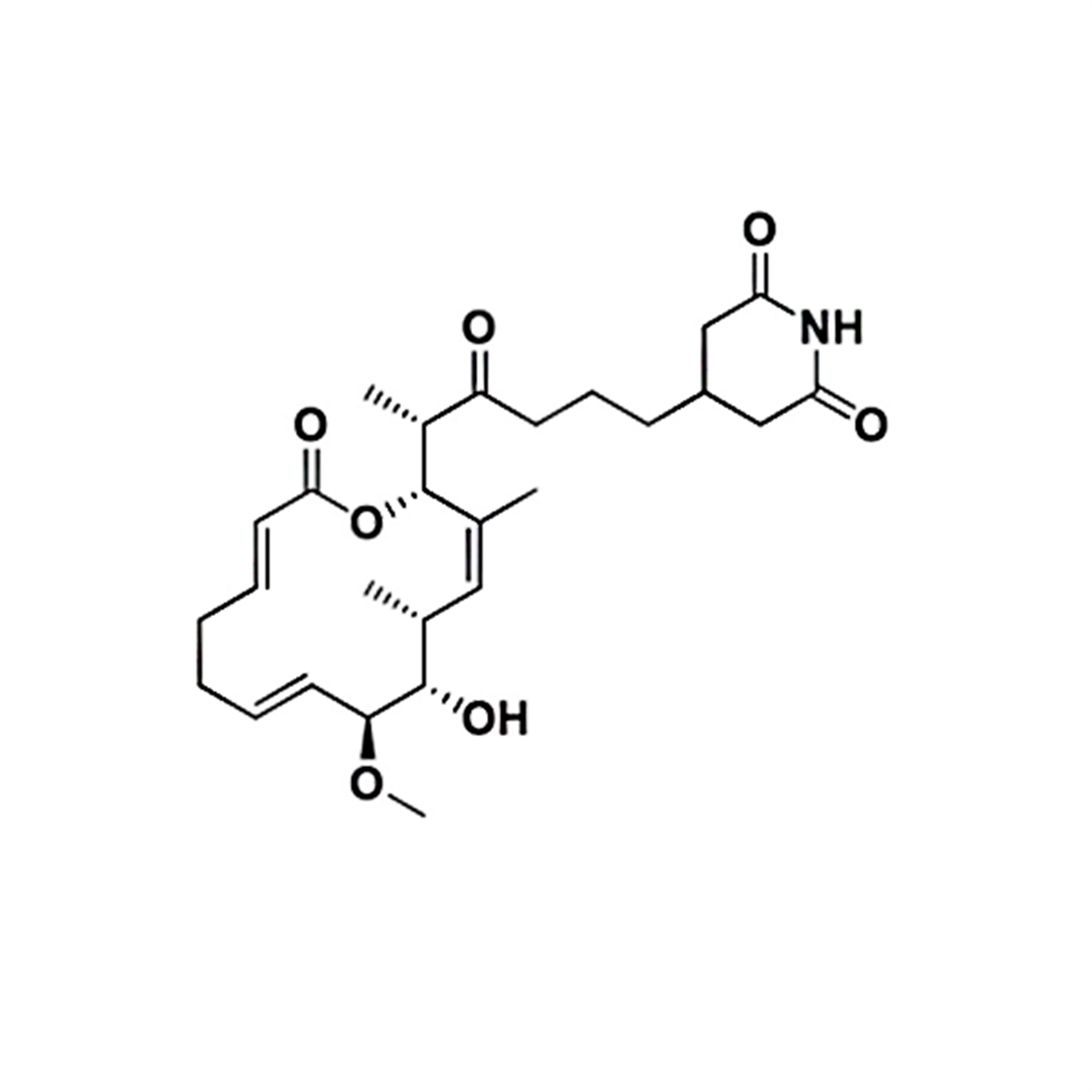 |
Migrastatin inhibited metastasis of human esophageal cancer cells and anchorage-independent growth of human small cell lung carcinoma cells. | |
|||||
| Macrolactams | Bisucaberin | 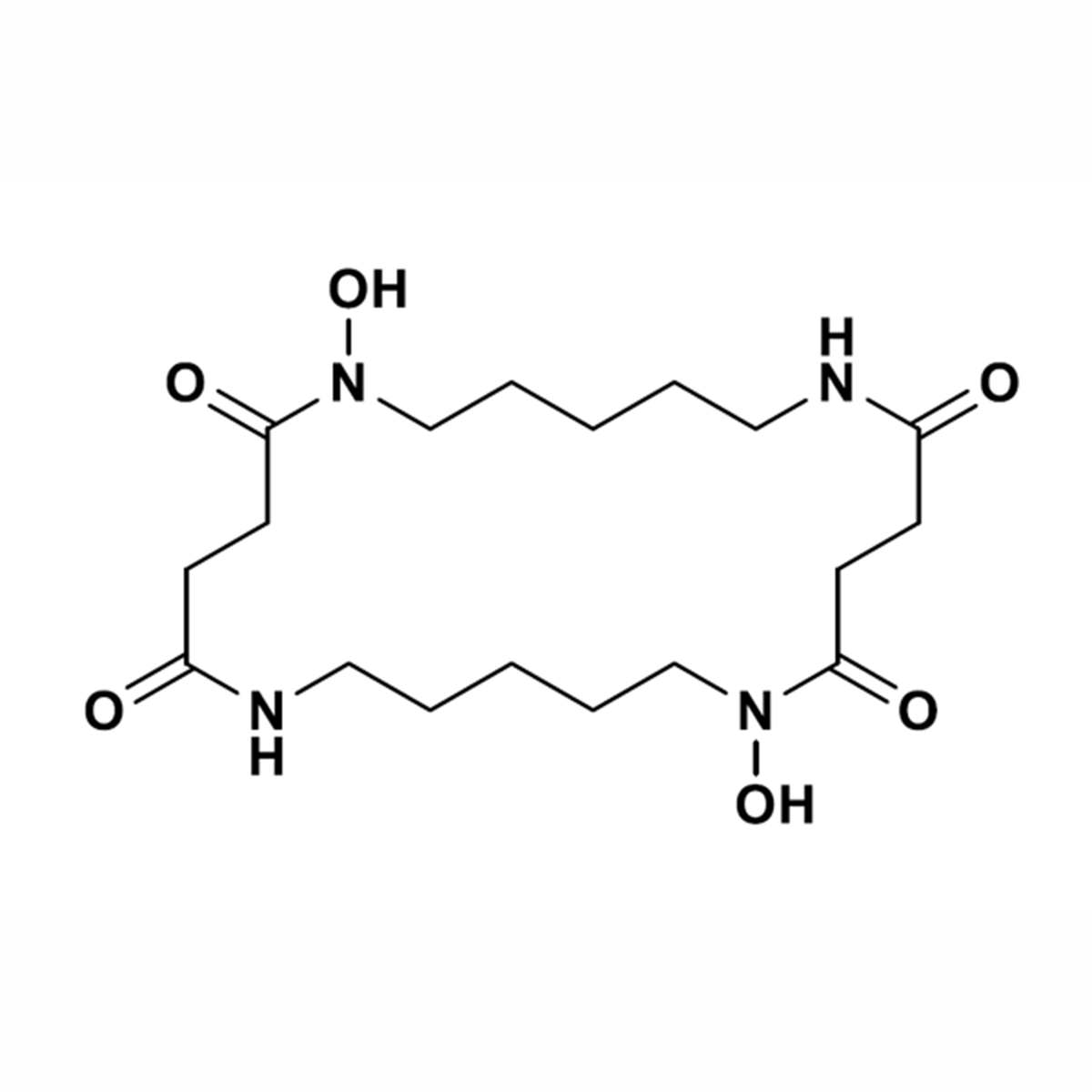 |
Bisucaberin is a siderophore with iron-affinity and induced concentration dependent macrophage-mediated tumor cell lysis. | |
||||
| Cyclic peptides | Bottromycin A2 | 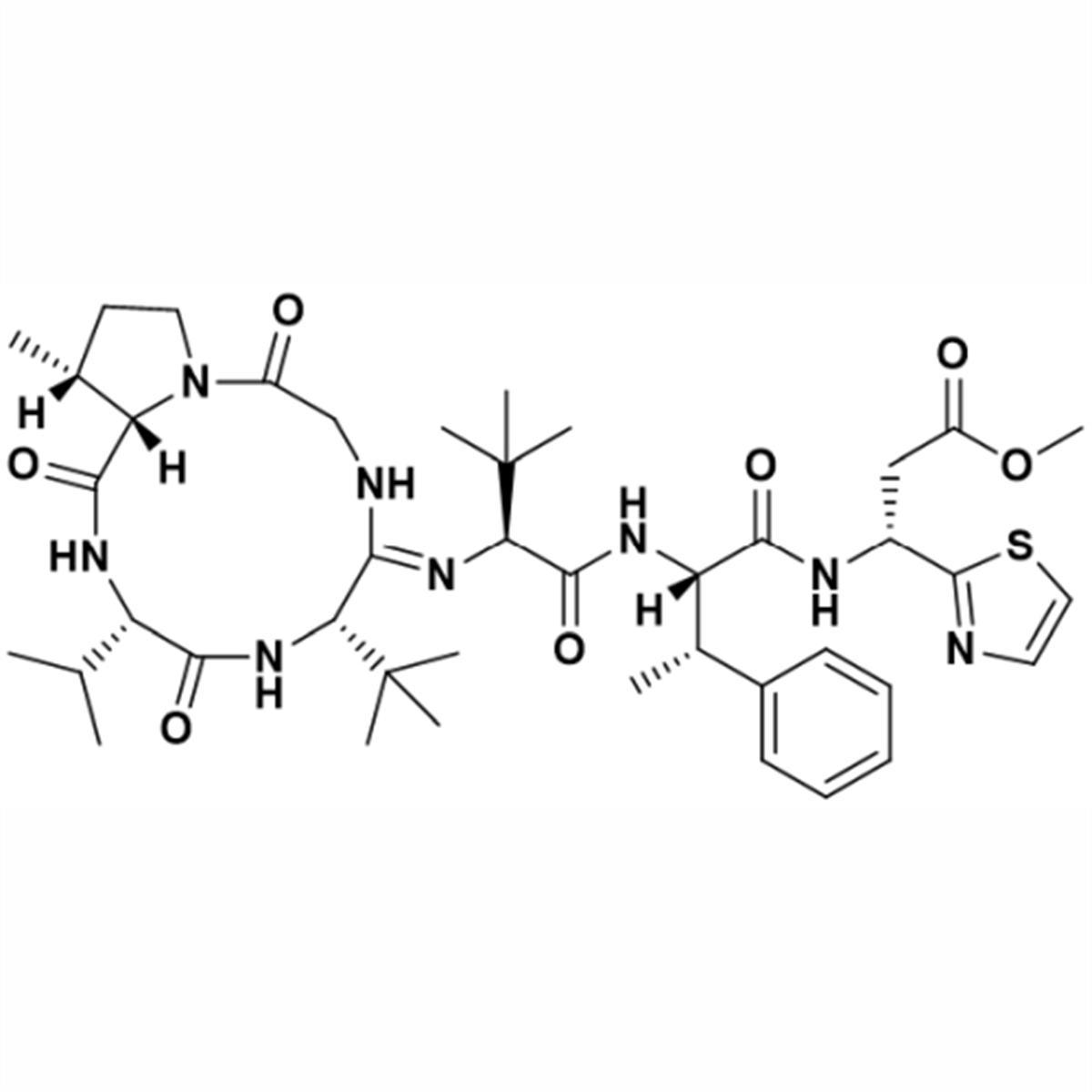 |
Bottromycin A2 showed growth inhibitory activity against gram-positive bacteria, MRSA (Methicillin-resistant Staphylococcus aureus), and VRE (Vancomycin-resistant Enterococci). | |
||||
| Iturin A-2 | 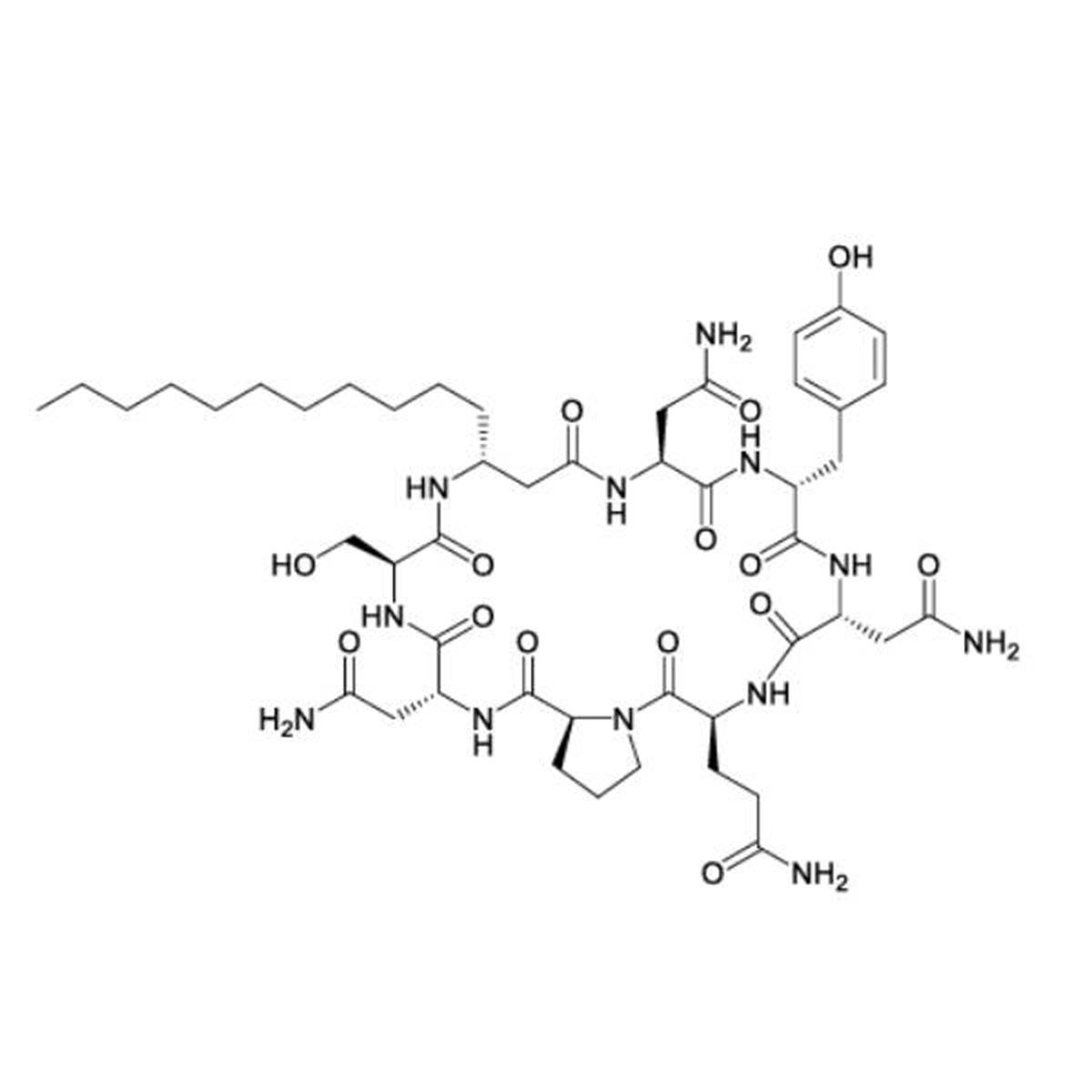 |
Iturin A-2 showed the control of damping-off of tomato (a seedling disease) and cytotoxicity to human breast cancer cell line BT-474. | |
|||||
| Plipastatin A1 | 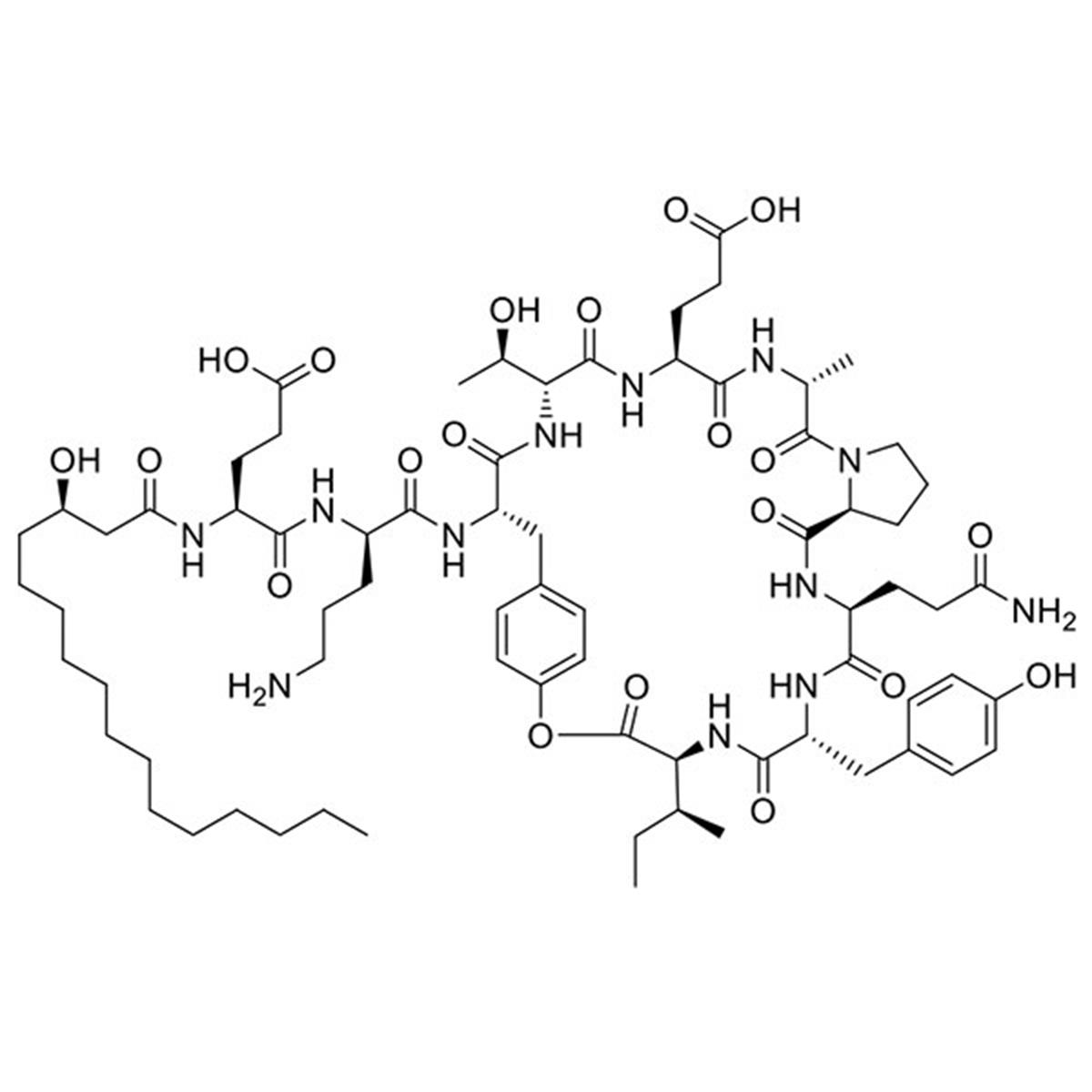 |
Plipastatin A1 inhibited phospholipase A2 and induced ISR (induced-systemic-resistance). | |
|||||
| Phepropeptin A |  |
Phepropeptin A inhibited proteasomal chymotrypsin-like activity. | Current Link | |||||
| Phepropeptin B |  |
Phepropeptin B inhibited proteasomal chymotrypsin-like activity. | |
|||||
| Phepropeptin C |  |
Phepropeptin C inhibited proteasomal chymotrypsin-like activity. | |
|||||
| Phepropeptin D |  |
Phepropeptin D inhibited proteasomal chymotrypsin-like activity. | |
|||||
| Cycloalkenes | Rubratoxin A | 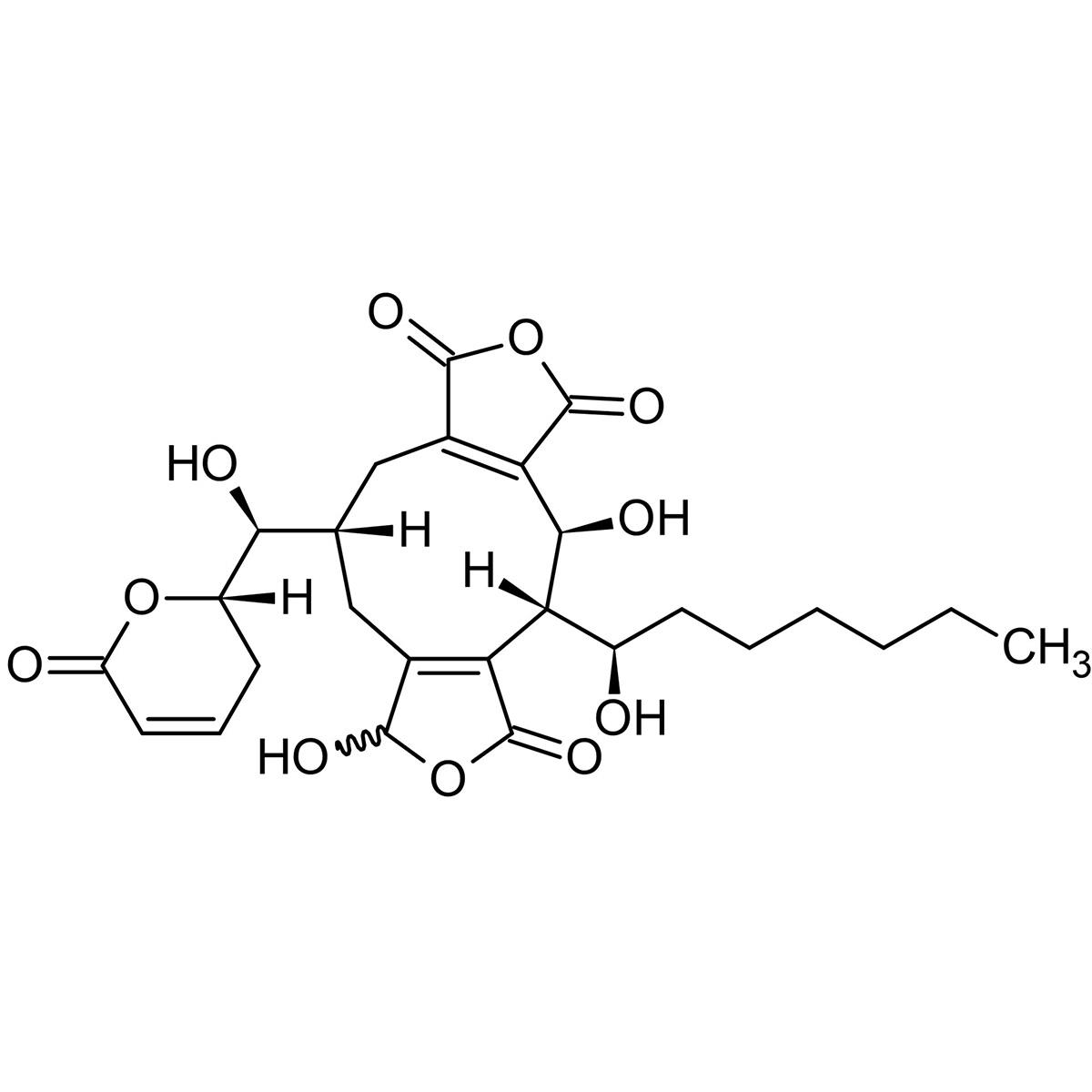 |
Rubratoxin A inhibited protein phosphatase 2A (PP2A) in a competitive manner. | |
||||