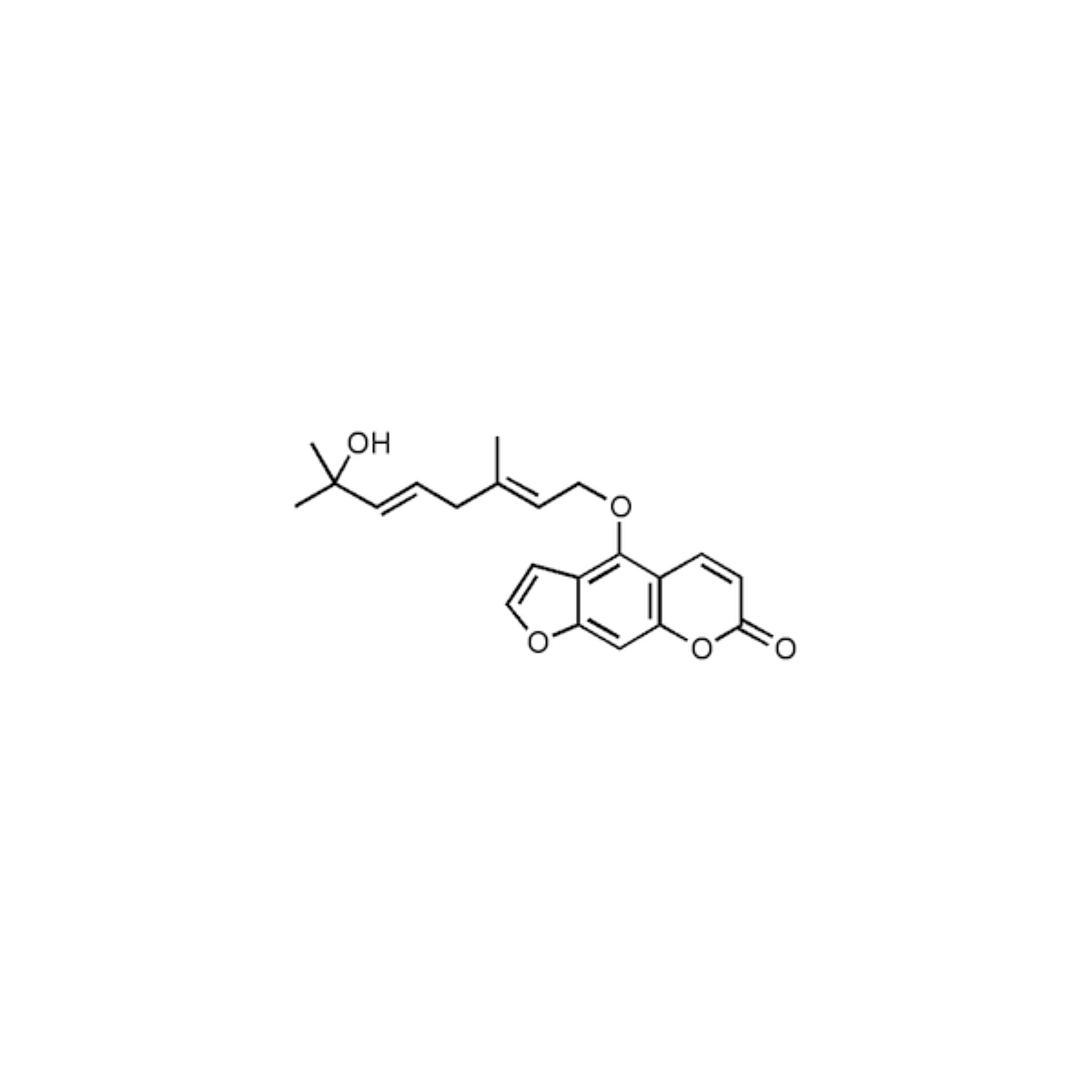
Notoptol
Product#: FNK-NS320402
$416.16
Availability:
Ships in 1-2 Weeks
Notoptol
Cat. No. FNK-NS320402
Size 5 mg
Store 4 oC
Purify >= 99% (HPLC)
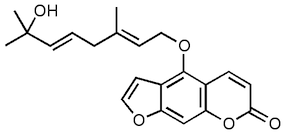
M.F. / M.W. C21H22O5 = 354.40
Effects on Human Disease
Notopol, which likely refers to compounds derived from the Notopterygium genus of plants, has been shown to have various effects on human diseases. Here's an overview of how notopol-related compounds can impact human health:
Notopol, which likely refers to compounds derived from the Notopterygium genus of plants, has been shown to have various effects on human diseases. Here's an overview of how notopol-related compounds can impact human health:
- Pharmacological Properties
- Notopterygium species, particularly Notopterygium incisum (NI) and Notopterygium franchetii (NF), contain compounds that exhibit a wide range of pharmacological effects. These effects can potentially influence various human diseases and conditions.
- Anti-inflammatory and Analgesic Effects
- Notopterygium-derived compounds have demonstrated antipyretic, analgesic, and anti-inflammatory properties. These effects can be beneficial in treating conditions associated with inflammation and pain, such as:
- Arthritis
- Headaches
- Muscle pain
- Fever
- Notopterygium-derived compounds have demonstrated antipyretic, analgesic, and anti-inflammatory properties. These effects can be beneficial in treating conditions associated with inflammation and pain, such as:
- Cardiovascular Effects
- Some compounds from Notopterygium species have shown antiarrhythmic and anticoagulant properties. These effects could potentially benefit patients with:
- Heart rhythm disorders
- Blood clotting issues
- Some compounds from Notopterygium species have shown antiarrhythmic and anticoagulant properties. These effects could potentially benefit patients with:
- Antimicrobial Properties
- Notopterygium extracts have exhibited antibacterial and antiviral activities, which could be useful in combating various infectious diseases.
- Antioxidant Effects
- The antioxidant properties of Notopterygium compounds may help in preventing or managing diseases associated with oxidative stress, such as:
- Cardiovascular diseases
- Neurodegenerative disorders
- Certain types of cancer
- The antioxidant properties of Notopterygium compounds may help in preventing or managing diseases associated with oxidative stress, such as:
- Potential Impact on Specific Systems
- Notopterygium-derived compounds have shown effects on various organ systems:
- Brain: Potential neuroprotective effects
- Heart: Cardiovascular benefits through antiarrhythmic and anticoagulant properties
- Digestive System: Possible relief from gastric ulcers and diarrhea
- Respiratory System: Potential benefits for asthma and other respiratory conditions
- Notopterygium-derived compounds have shown effects on various organ systems:
- Anticancer Potential
- Some compounds obtained from Notopterygium have demonstrated varying degrees of inhibitory effects on the proliferation of various cancer cells. This suggests potential applications in cancer treatment or prevention.
Cell Signaling Pathways Affected
- JAK-STAT Pathway
- Notopterol has been reported to suppress the expression of inflammatory genes by targeting the JAK-STAT (Janus kinase/signal transducers and activators of transcription) signaling pathway4. This mechanism is similar to tocilizumab, an approved drug for treating COVID-19.
- PI3K/AKT/Nrf2 Pathway
- Research has shown that notopterol activates the PI3K/AKT/Nrf2 (phosphatidylinositol 3-kinase/protein kinase B/nuclear factor erythroid 2-related factor 2) signaling pathway3. This activation leads to upregulation of antioxidant genes like heme oxygenase 1 (HO-1), NAD(P)H quinone oxidoreductase 1 (NQO1), catalase (CAT), and glutathione reductase (GSR), conferring protection against oxidative stress.
- HIF-1A Pathway
- Pathway enrichment analysis has indicated that notopterol may affect the HIF-1A (Hypoxia-Inducible Factor 1-Alpha) pathway. This pathway is crucial in cellular responses to hypoxia.
- Apoptosis Pathway
- The apoptosis pathway has also been identified as potentially affected by notopterol and related compounds.
- STAT3 Pathway
- Notopterol has been shown to decrease STAT3 activity, which contributes to its anti-glioma effects5.
- By modulating these signaling pathways, notopterol and related compounds from Notopterygium species exert various pharmacological effects, including anti-inflammatory, antioxidant, and potentially anticancer properties. These effects contribute to their potential therapeutic applications in treating conditions like obstructive sleep apnea syndrome (OSAS), COVID-19, and various inflammatory disorders.