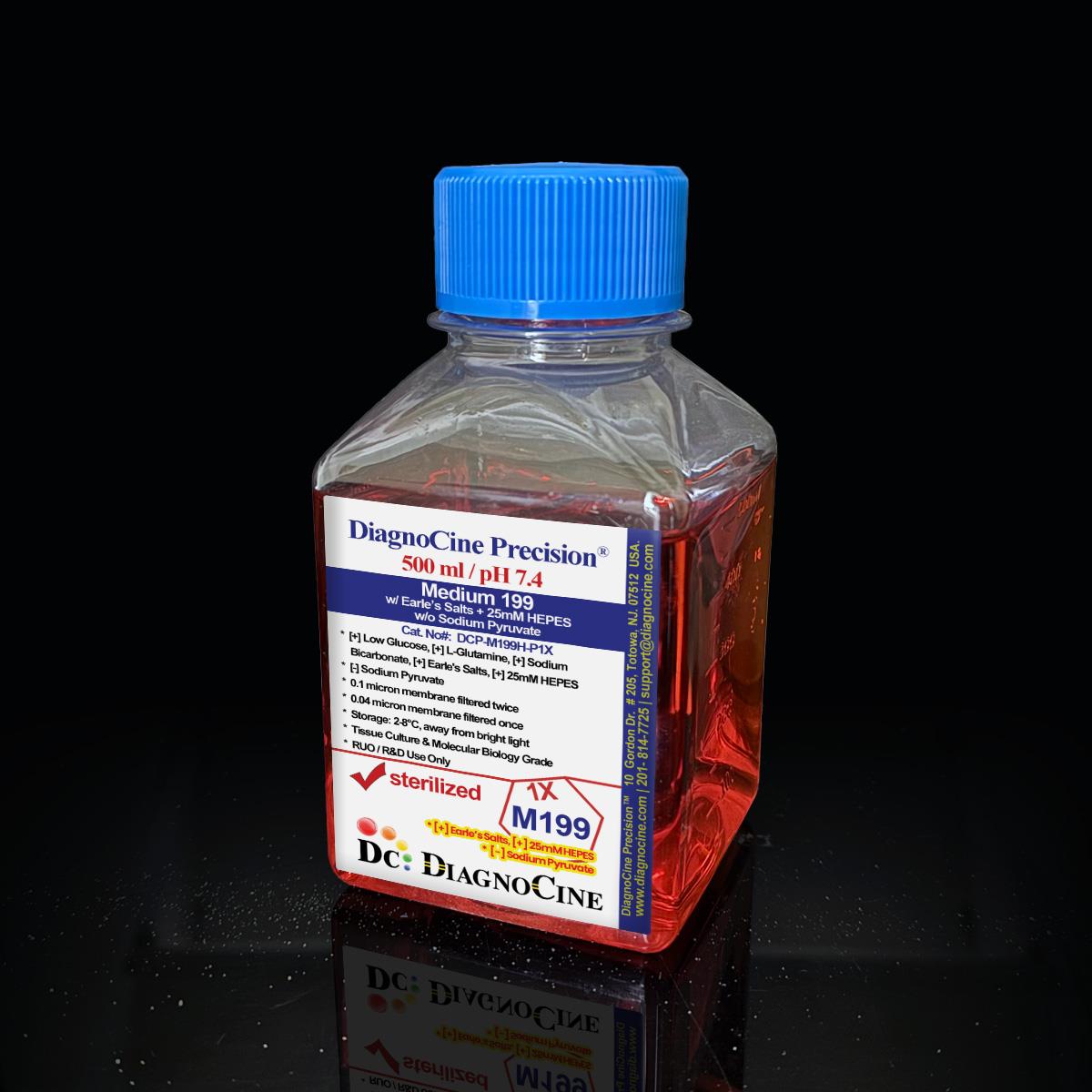
FluxMPS™ Medium 199 w/ Earle’s salts and 25mM HEPES buffer w/o Sodium Pyruvate: 1X Liquid
FluxMPS™ Medium 199 w/ Earle's salts and 25 mM HEPES buffer w/o Sodium Pyruvate: 1X Liquid
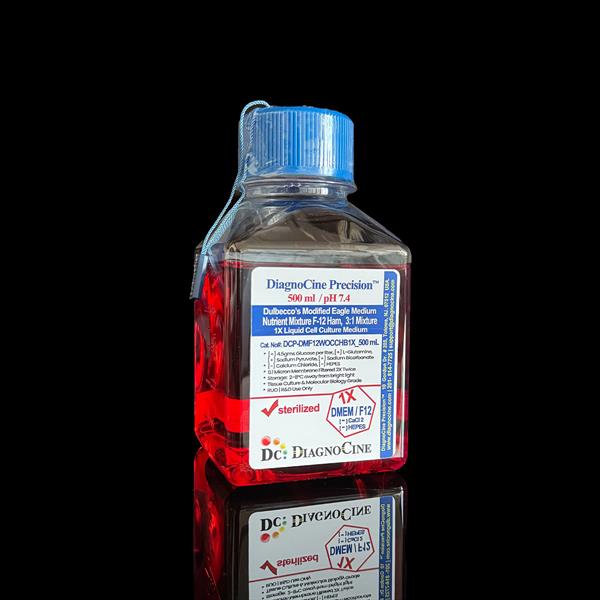
FluxMPS™ DCP-M199H-P1X is a MPS-grade formulation of the historically significant Medium 199 — the first nutritionally defined cell culture medium — enhanced for organ-on-a-chip (OoC), primary cell culture, vaccine production, and microfluidic platforms. Manufactured with Quadruple-stage filtration (0.1 µm ×2 + 0.04 µm ×2) and ISO Class 5 aseptic fill, it delivers endotoxin < 0.05 EU/mL and approximately 5× fewer subvisible particulates than conventional 0.22 µm-filtered Media 199.
- Quadruple-stage nano-filtration: 0.1 µm ×2 pre-filtration + 0.04 µm ×2 sterile final polish
- Endotoxin < 0.05 EU/mL (USP <85> BET verified)
- Low Glucose 1,000 mg/L + L-Glutamine + NaHCO₃ + 25 mM HEPES + Earle's Salts; no Sodium Pyruvate
- Ultrapure Type 1 water (18.2 MΩ·cm, USP <85>)
- ISO Class 5 (Class 100) aseptic fill & finish
- ISO 13485:2016 QMS & 21 CFR Part 820 (cGMP) aligned
- Microchannel-safe: USP <788> Method 2 particulate compliant
- pH 7.4 maintained with dual buffer system (NaHCO₃ + 25 mM HEPES)
- Formulation[+] Low Glucose [+] L-Gln [+] NaHCO₃ [+] 25mM HEPES [+] Earle's Salts [−] Pyruvate
- Glucose1,000 mg/L (Low Glucose)
- L-Glutamine100.000 mg/L
- Sodium PyruvateNot included
- pH (USP <791>)7.4 at 1X
- Osmolality (USP <785>)285.00–325.00 mOsm/kg H₂O
- Endotoxin (USP <85>)< 0.05 EU/mL
- Filtration0.1 µm×2 + 0.04 µm×2
- Storage2–8 °C, protect from light
- Shelf Life12 months from manufacture
Engineered where standard media fails
Conventional 0.22 µm-filtered Medium 199 harbors subvisible particulates, residual mycoplasma-sized debris (<0.2 µm), and endotoxin that corrupt primary cell behavior, distort vaccine production yields, and clog microfluidic channels in OoC and MPS platforms. FluxMPS™ DCP-M199H-P1X resolves these failure modes through a four-barrier filtration architecture and micro-batch ISO Class 5 production.
Microchannel-Safe Purity
0.04 µm final barrier removes particulates that accumulate in organ-on-a-chip and microfluidic channels. USP <788> particulate compliance verified on every micro-batch lot.
Defined Metabolic Control
Low glucose (1,000 mg/L) with 25 mM HEPES supports primary cells, non-transformed lines, and vaccine production without the CO₂-dependency burden of bicarbonate-only buffering.
Ultrapure Type 1 Water
All formulation uses 18.2 MΩ·cm water (USP <85>). Eliminates trace-ion interference in electrophysiology, TEER measurements, and biosensor-based OoC readouts.
Low Background for Imaging
Ultra-low particulate count minimizes autofluorescence in confocal, widefield, and TIRF microscopy, and reduces optical noise in inline chip biosensors.
Rich, Stable Nutrient Profile
Medium 199's comprehensive formulation — including nucleotides, vitamins, nucleosides, HEPES, and Earle's salts — supports demanding primary and non-transformed cell culture with micro-batch consistency.
Customization On Demand
Sodium pyruvate, glucose concentration, HEPES level, and other nutrients adjustable on request. Contact support@diagnocine.com.
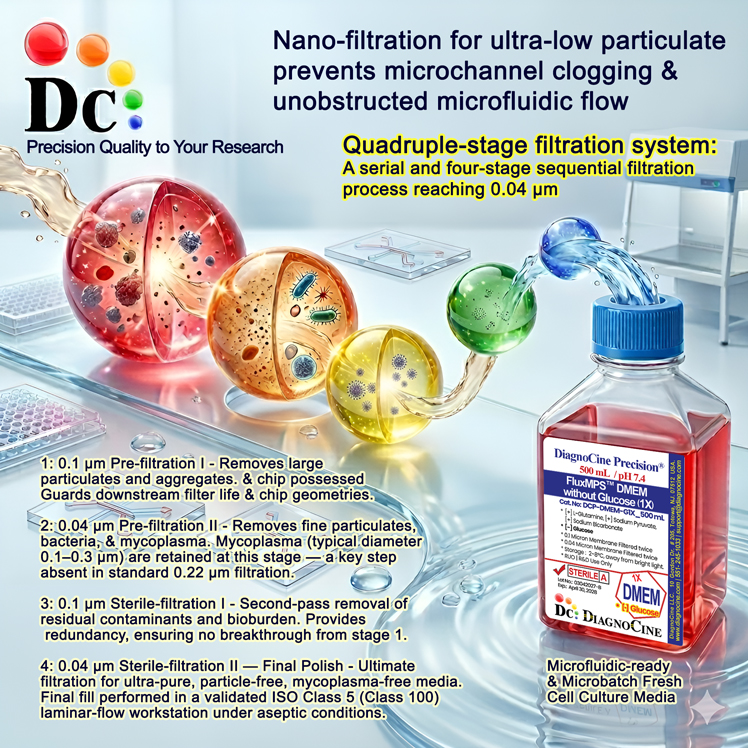
Quadruple-stage filtration system
FluxMPS™ DCP-M199H-P1X is the only ready-to-use Medium 199 available at 0.04 µm final filtration purity. Four sequential membrane barriers alternating 0.1 µm and 0.04 µm create an unmatched particulate and mycoplasma exclusion stack impossible to replicate with single-pass 0.22 µm filtration.
-
1
0.1 µm Pre-filtration I
Removes large particulates and aggregates. Protects downstream 0.04 µm membranes from premature fouling, maintaining pore integrity and consistent flow rates across the batch.
-
2
0.04 µm Pre-filtration II
Retains fine particulates, bacteria, and mycoplasma (smallest species ≈0.2 µm). Primary mycoplasma barrier essential for long-term primary cell culture, virus propagation, and MPS applications.
-
3
0.1 µm Sterile-filtration I
Second-pass 0.1 µm redundancy for sterility assurance per USP <71> 14-day specifications. Eliminates any trace contaminants that might bypass stage 2.
-
4
0.04 µm Sterile-filtration II — Final Polish
Ultimate polish under ISO Class 5 laminar-flow conditions. Delivers the ultra-clean, sub-mycoplasma final product that defines FluxMPS™ media performance.
Performance vs. conventional media
Independent particulate counting (USP <788> Method 2) demonstrates FluxMPS™ Medium 199 achieves approximately 5× lower subvisible particle burden than standard 0.22 µm-filtered Media 199. This directly reduces channel occlusion, attenuates innate immune activation in primary cell assays, and improves signal fidelity in biosensor-equipped chip systems.
© Diagnocine® — DCP-M199H-P1X
Validated applications for FluxMPS™ Medium 199
Originally developed by Morgan, Morton, and Parker (1950), Medium 199 remains the gold standard for primary cell nutrition. FluxMPS™ DCP-M199H-P1X extends this heritage to MPS, OoC, and microfluidic platforms requiring endotoxin-controlled, particulate-free media.
Automated Bioreactors & Robotics
For automated perfusion bioreactors and robotic liquid-handling systems, an optional 0.01 µm (10 nm) ultra-filtered variant of FluxMPS™ Medium 199 is available on inquiry. This grade eliminates nano-aggregates that foul precision valve seats, inline optical sensors, and pump mechanisms.
- Total Particulate Exclusion: 10 nm filtration removes aggregates invisible to 0.04 µm membranes, protecting sensitive automation hardware.
- Valve & Sensor Protection: Ultra-clean media extends service intervals of solenoid valves, bubble detectors, and inline optical sensors in automated systems.
- Extended Perfusion Stability: Consistent, particulate-free perfusion maintains primary cell viability over multi-week continuous culture without media-induced occlusion.
Inquiry Required: The 0.01 µm grade is manufactured on request. Contact support@diagnocine.com for volume, lead time, and pricing.
Micro Physiological System (MPS) & Chip
Particulate-free Medium 199 for epithelial, endothelial, and primary cell chip models. HEPES buffering enables stable pH in open microfluidic environments.
Vaccine & Virus Production
Medium 199's original design for primary chick embryo fibroblasts makes it the standard for vaccine research. FluxMPS™ purity enhances viral yield reproducibility.
iPSC-Derived & Primary Cell Models
Endotoxin-controlled Medium 199 supports primary explants of epithelial cells and iPSC-derived models requiring a defined nutritional environment.
Endothelial & Primary Cells
Endotoxin <0.05 EU/mL prevents NF-κB activation artifacts in endothelial monolayer and vascular chip studies. Earle's salts provide physiological ionic environment.
Metabolic Flux Analysis
Low glucose (1,000 mg/L) and absence of sodium pyruvate enable precise isotope-traced metabolic flux experiments without confounding exogenous pyruvate carbon.
Microscopy & Optical Sensing
Ultra-low particulate background minimizes autofluorescence artifacts in confocal, biosensor, and TEER-based chip imaging applications.
Complete technical specifications
All specifications are per-lot verified. Certificate of Analysis (CoA) available on request at support@diagnocine.com.
| Parameter | Specification |
|---|---|
| Formulation | [+] Low Glucose [+] L-Gln [+] NaHCO₃ [+] 25mM HEPES [+] Earle's Salts [−] Na Pyruvate |
| Appearance | Orange to Red-colored, clear liquid |
| pH (USP <791>) | 7.4 at 1X concentration USP <791> |
| Osmolality (USP <785>) | 285.00–325.00 mOsm/kg H₂O USP <785> |
| Glucose | 1,000 mg/L (Low Glucose) |
| L-Glutamine | 100.000 mg/L |
| Sodium Pyruvate | Not included |
| Phenol Red | Included (15 mg/L, disodium salt) |
| Parameter | Specification |
|---|---|
| Endotoxin (USP <85> BET) | < 0.05 EU/mL USP <85> |
| Sterility (USP <71>) | No growth after 14 days incubation USP <71> |
| Mycoplasma | Negative (USP <63> equivalent assay) |
| Particulate ≥10 µm (USP <788>) | Compliant USP <788> |
| Particulate ≥25 µm (USP <788>) | Compliant USP <788> |
| Water purity | Ultrapure Type 1, 18.2 MΩ·cm USP <85> |
| Manufacturing std. | ISO 13485:2016 ISO 13485 |
| Fill environment | ISO Class 5 (Class 100) laminar flow |
| Parameter | Specification |
|---|---|
| Storage temperature | 2–8 °C, protect from bright light |
| Freeze-thaw | Do not freeze |
| Shelf life | 12 months from manufacture date |
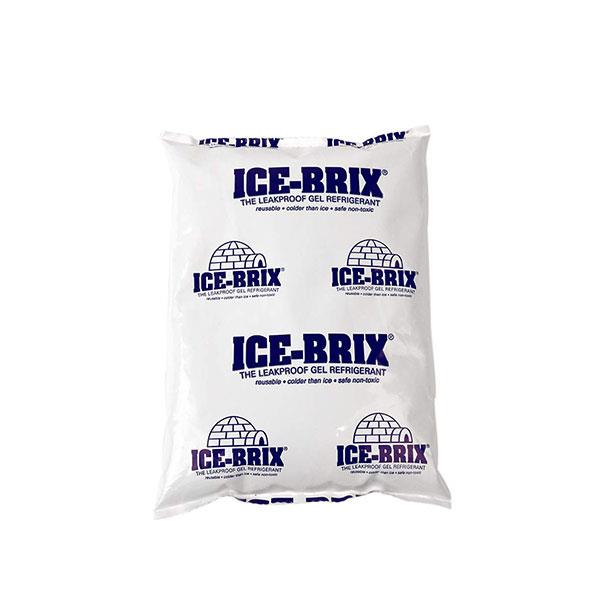
| Shipping condition | Cold pack (2–8 °C) |
| CO₂ requirement | 5% CO₂ recommended (dual buffered: NaHCO₃ + 25 mM HEPES) |
| Parameter | Specification |
|---|---|
| Raw material grade | Analytical / USP-grade reagents |
| Traceability | Full lot traceability per ISO 13485 |
| Manufacturing QMS | ISO 13485:2016 certified ISO 13485 |
| Regulatory alignment | 21 CFR Part 820 (cGMP) aligned |
| Production method | Micro-batch aseptic manufacturing |
| Intended use | Research Use Only (RUO) |
Full composition (mg/L)
Medium 199 is one of the most complex defined media, originally formulated for nutritional studies in primary chick embryo fibroblasts. All values are per-lot release targets confirmed on the CoA.
| Component | CAS Number | mg/L |
|---|---|---|
| INORGANIC SALTS | ||
| Calcium chloride dihydrate | 10035-04-8 | 265.000 |
| Ferric nitrate nonahydrate | 7782-61-8 | 0.720 |
| Magnesium sulphate anhydrous | 7487-88-9 | 97.720 |
| Potassium chloride | 7447-40-7 | 400.000 |
| Sodium acetate anhydrous | 127-09-3 | 50.000 |
| Sodium bicarbonate | 144-55-8 | 2200.000 |
| Sodium chloride | 7647-14-5 | 6800.000 |
| Sodium phosphate monobasic | 10049-21-5 | 122.000 |
| Component | CAS Number | mg/L |
|---|---|---|
| AMINO ACIDS | ||
| Glycine | 56-40-6 | 50.000 |
| L-Alanine | 56-41-7 | 25.000 |
| L-Arginine hydrochloride | 1119-34-2 | 70.000 |
| L-Aspartic acid | 56-84-8 | 30.000 |
| L-Cysteine hydrochloride monohydrate | 7048-04-6 | 0.100 |
| L-Cystine dihydrochloride | 30925-07-6 | 26.000 |
| L-Glutamic acid | 56-86-0 | 67.000 |
| L-Glutamine | 56-85-9 | 100.000 |
| L-Histidine hydrochloride monohydrate | 5934-29-2 | 22.000 |
| L-Hydroxyproline | 51-35-4 | 10.000 |
| L-Isoleucine | 73-32-5 | 20.000 |
| L-Leucine | 61-90-5 | 60.000 |
| L-Lysine hydrochloride | 657-27-2 | 70.000 |
| L-Methionine | 63-68-3 | 15.000 |
| L-Phenylalanine | 63-91-2 | 25.000 |
| L-Proline | 147-85-3 | 40.000 |
| L-Serine | 56-45-1 | 25.000 |
| L-Threonine | 72-19-5 | 30.000 |
| L-Tryptophan | 73-22-3 | 10.000 |
| L-Tyrosine disodium salt dihydrate | 69847-44-5 | 57.660 |
| L-Valine | 72-18-4 | 25.000 |
| Component | CAS Number | mg/L |
|---|---|---|
| VITAMINS | ||
| Ascorbic acid | 50-81-7 | 0.050 |
| Calciferol | 50-14-6 | 0.100 |
| Choline chloride | 67-48-1 | 0.500 |
| D-Biotin | 58-85-5 | 0.010 |
| D-Ca-Pantothenate | 137-08-6 | 0.010 |
| DL-Tocopherol phosphate | 5765-44-6 | 0.010 |
| Folic acid | 59-30-3 | 0.010 |
| Menadione | 58-27-5 | 0.010 |
| Niacinamide | 98-92-0 | 0.025 |
| Nicotinic acid | 59-67-6 | 0.025 |
| Pyridoxal hydrochloride | 65-22-5 | 0.025 |
| Pyridoxine hydrochloride | 58-56-0 | 0.025 |
| Retinol Acetate | 127-47-9 | 0.140 |
| Riboflavin | 83-88-5 | 0.010 |
| Thiamine hydrochloride | 67-03-8 | 0.010 |
| i-Inositol | 87-89-8 | 0.050 |
| p-Amino benzoic acid (PABA) | 150-13-0 | 0.050 |
| OTHERS | ||
| Adenine sulphate | 321-30-2 | 10.000 |
| Adenosine triphosphate | 987-65-5 | 1.000 |
| Adenosine monophosphate | 61-19-8 | 0.200 |
| Cholesterol | 57-88-5 | 0.200 |
| Deoxyribose | 533-67-5 | 0.500 |
| Glucose | 50-99-7 | 1000.000 |
| Glutathione reduced | 70-18-8 | 0.050 |
| Guanine hydrochloride | 635-39-2 | 0.300 |
| HEPES Buffer | 7365-45-9 | 5958.000 |
| Hypoxanthine sodium salt | 5765-44-6 | 0.354 |
| Phenol red disodium salt | 34487-61-1 | 15.000 |
| Polysorbate 80 | 9005-65-6 | 4.900 |
| Ribose | 50-69-1 | 0.500 |
| Thymine | 65-71-4 | 0.300 |
| Uracil | 66-22-8 | 0.300 |
| Xanthine | 69-89-6 | 0.344 |
Manufacturing & compliance overview
Every FluxMPS™ Medium 199 lot is manufactured under a fully auditable ISO 13485:2016 quality management system with complete raw-material traceability, multi-barrier sterility, and third-party endotoxin verification.
ISO 13485:2016 QMS
Manufacturing conducted under ISO 13485-certified and CE-approved facilities (Diagnocine Precision suppliers). All final QA, testing, and packaging at the DiagnoCine R&D and Quality Testing Center, Totowa, New Jersey, USA.
Ultrapure Type 1 Water
All formulation uses 18.2 MΩ·cm (resistivity) water meeting USP <85> specifications. This eliminates ionic contamination interfering with electrophysiology and chip-based biosensors.
ISO Class 5 Fill & Finish
Aseptic filling inside ISO Class 5 (Class 100) laminar-flow enclosures, ensuring particulate and bioburden levels consistent with injectable-grade manufacturing standards.
Micro-Batch Precision
Small-batch production enables per-batch QC verification, tighter lot-to-lot consistency, and faster turnaround for custom formulation requests. Each batch individually tested and released.
Endotoxin — USP <85> BET
Limulus Amebocyte Lysate (LAL) test on every lot. Release criterion: < 0.05 EU/mL, exceeding standard cell-culture requirements.
Particulate — USP <788> Method 2
Light-obscuration particle counting verifies ≤10 µm and ≤25 µm particulate limits, confirming microchannel-safe purity on every production lot.
Osmolality — USP <785>
Freezing-point depression osmometry per USP <785>. Specification: 285.00–325.00 mOsm/kg H₂O. Lot-specific values on CoA.
Documentation & CoA
Full Certificate of Analysis including pH, osmolality, endotoxin, sterility, and particulate data for every lot. Request via support@diagnocine.com.
How DCP-M199H-P1X compares
FluxMPS™ Medium 199 versus conventional 0.22 µm and 0.1 µm filtered alternatives.
| Parameter | DCP-M199H-P1X (FluxMPS™) | Conventional Medium 199 (0.22 µm) | Standard Medium 199 (0.1 µm) |
|---|---|---|---|
| Distinctive formulation | 25 mM HEPES + Earle's Salts; no Pyruvate | Variable; often includes pyruvate | Variable |
| Final filtration pore size | 0.04 µm | 0.22 µm | 0.1 µm |
| Number of filtration stages | 4 stages | 1 stage | 1–2 stages |
| Mycoplasma barrier filtration | check_circle | cancel | check_circle |
| Endotoxin specification | < 0.05 EU/mL | Not specified / > 1 EU/mL | Not standardized |
| USP particulate compliance | check_circle USP <788> | cancel | cancel |
| Water quality | Ultrapure 18.2 MΩ·cm | Purified water | Purified water |
| Manufacturing QMS | ISO 13485:2016 | Standard GMP | Standard GMP |
| Microfluidic channel compatibility | check_circle | cancel | Partial |
| Custom formulation | check_circle | Limited | Limited |
Frequently asked questions
Common questions about FluxMPS™ DCP-M199H-P1X performance, compatibility, and ordering.
Supporting literature
Curated peer-reviewed references supporting Medium 199 use in primary cells, virus production, microfluidic platforms, and organ-on-a-chip applications.
- Morgan JF, Morton HJ, Parker RC. Nutrition of animal cells in tissue culture. I. Initial studies on a synthetic medium. Proc Soc Exp Biol Med. 1950;73(1):1–8. doi:10.3181/00379727-73-17557
- Bhatia SN, Ingber DE. Microfluidic organs-on-chips. Nat Biotechnol. 2014;32(8):760–772. doi:10.1038/nbt.2989
- Huh D, et al. Reconstituting organ-level lung functions on a chip. Science. 2010;328(5986):1662–1668. doi:10.1126/science.1188302
- Ramzy PI, et al. Establishment of epithelial cell lines from primary human explants using serum-free medium. In Vitro Cell Dev Biol Anim. 1996;32(1):29–35. doi:10.1007/BF02723028
- Esch EW, Bahinski A, Huh D. Organs-on-chips at the frontiers of drug discovery. Nat Rev Drug Discov. 2015;14(4):248–260. doi:10.1038/nrd4539
- Langford RM, et al. Mycoplasma contamination in cell culture: prevention strategies and detection. Cytotechnology. 2018;70(1):27–34. doi:10.1007/s10616-017-0128-6
- Maoz BM, et al. A linked organ-on-chip model of the human neurovascular unit reveals the metabolic coupling of endothelial and neuronal cells. Nat Biotechnol. 2018;36(9):865–877. doi:10.1038/nbt.4226
- Nawroth JC, et al. Breathing microfluidic organ-on-a-chip. Sci Adv. 2020;6(30):eaaw7505. doi:10.1126/sciadv.aaw7505
- Williamson A, et al. The future of the patient-specific body-on-a-chip. Lab Chip. 2013;13(18):3471–3480. doi:10.1039/c3lc50237f
- Kaur G, Dufour JM. Cell lines: valuable tools or useless artifacts. Spermatogenesis. 2012;2(1):1–5. doi:10.4161/spmg.19885