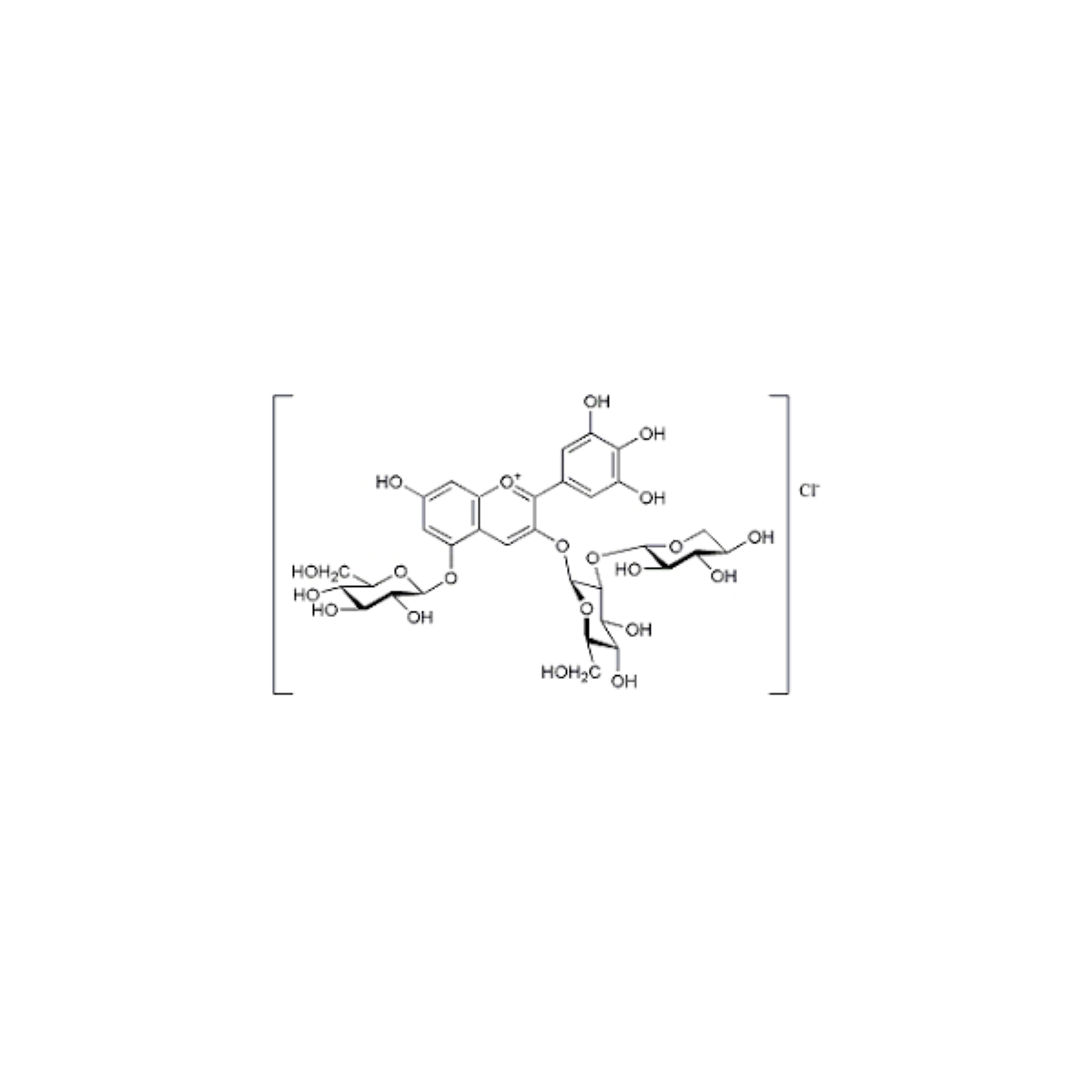
Cyanidin 3-Sambubioside-5-Glucoside Chloride
Product#: FNK-2400059
$523.48
Availability:
Ships in 1-2 Weeks
Cyanidin 3-Sambubioside-5-Glucoside Chloride
- CAT Number : FNK-2400059
- CAS Number : 53925-33-0
- Molecular Weight : 779.10
- Molecular Formula : C32H39O20Cl
- Pack size: 5 mg
- Store: Store at -20℃ in a dry and dark place.
- Purity: (HPLC) ≥98%
Cyanidin 3-Sambubioside-5-Glucoside Chloride is a naturally occurring anthocyanin, a type of plant pigment, known for its antioxidant properties. It is commonly found in various fruits and vegetables, contributing to their red, purple, and blue colors.
Properties
- Molecular formula: C32H39ClO20
- Molecular weight: 779.10 g/mol
- CAS number: 53925-33-0
- Appearance: Likely a colored powder
- Solubility: Likely soluble in polar solvents
- Used as an analytical standard in research related to plant pigments and anthocyanins
- Employed in studies investigating the antioxidant and anti-inflammatory properties of anthocyanins
- Utilized in food science for its potential health benefits and as a natural colorant
- Store in a cool, dry place, protected from light
- Use appropriate personal protective equipment when handling
- Avoid inhalation and contact with skin and eyes
- Follow standard laboratory safety practices for chemical compounds
Cyanidin 3-Sambubioside-5-Glucoside Chloride is a type of anthocyanin, which is a naturally occurring plant pigment known for its antioxidant properties. These compounds are responsible for the red, purple, and blue colors in many fruits and vegetables. While specific diseases directly associated with Cyanidin 3-Sambubioside-5-Glucoside Chloride are not well detailed, anthocyanins in general have been studied for their potential health benefits, which include:
- Cardiovascular Diseases: Anthocyanins are known to support cardiovascular health by improving blood circulation and reducing inflammation, which can help prevent heart disease.
- Cancer Prevention: They have been shown to have chemopreventive properties, potentially affecting different stages of tumorigenesis and reversing cancer progression.
- Neurodegenerative Diseases: Due to their antioxidant capabilities, anthocyanins may help protect against oxidative stress, which is a contributing factor in neurodegenerative diseases
- Inflammatory Conditions: Anthocyanins have anti-inflammatory properties, which can be beneficial in managing and preventing various inflammatory conditions
Cell Signaling Pathways
- AMPK Pathway: Cyanidin-3-O-glucoside, a related compound, has been shown to regulate fatty acid metabolism through the AMP-activated protein kinase (AMPK) signaling pathway in human liver cells (HepG2) . This suggests that cyanidin derivatives, including cyanidin 3-sambubioside-5-glucoside chloride, may similarly influence metabolic pathways via AMPK.
- Apoptosis Induction: Research indicates that cyanidin compounds can activate apoptosis through caspase-dependent pathways. This involves the downregulation of anti-apoptotic proteins like B-cell lymphoma 2 (Bcl-2) and the upregulation of pro-apoptotic factors, thereby promoting cell death in cancer cells .
- Antioxidant Activity: Cyanidin 3-sambubioside-5-glucoside chloride exhibits antioxidant properties, which can influence signaling pathways related to oxidative stress. This activity may help in protecting cells from damage and in modulating inflammatory responses .
- Inhibition of Cancer Cell Proliferation: Studies have demonstrated that cyanidin-based compounds can inhibit the proliferation of various cancer cell lines, including melanoma, by affecting cell cycle regulation and promoting apoptosis .
- ACE Inhibition: The compound also inhibits angiotensin-converting enzyme (ACE), which is involved in blood pressure regulation and can influence signaling pathways related to cardiovascular health .