
Chondroitin Sulfate Oligosaccharides Sodium Salt, 4mer
Chondroitin Sulfate Oligosaccharides Sodium Salt, 4mer
Cat. No. FNK-MBF834407
Size 50 g
Store 4°C, Dark Strage
Description
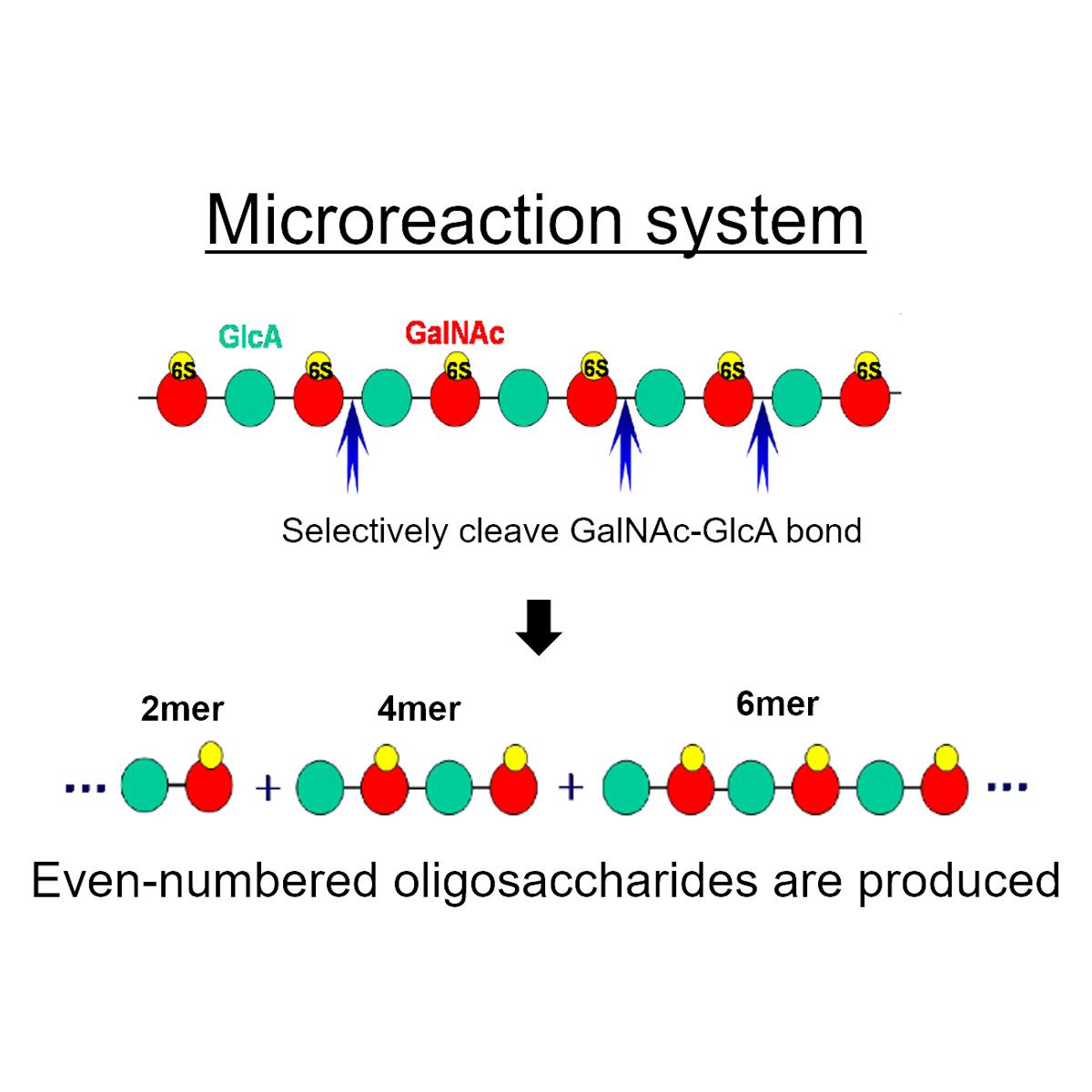
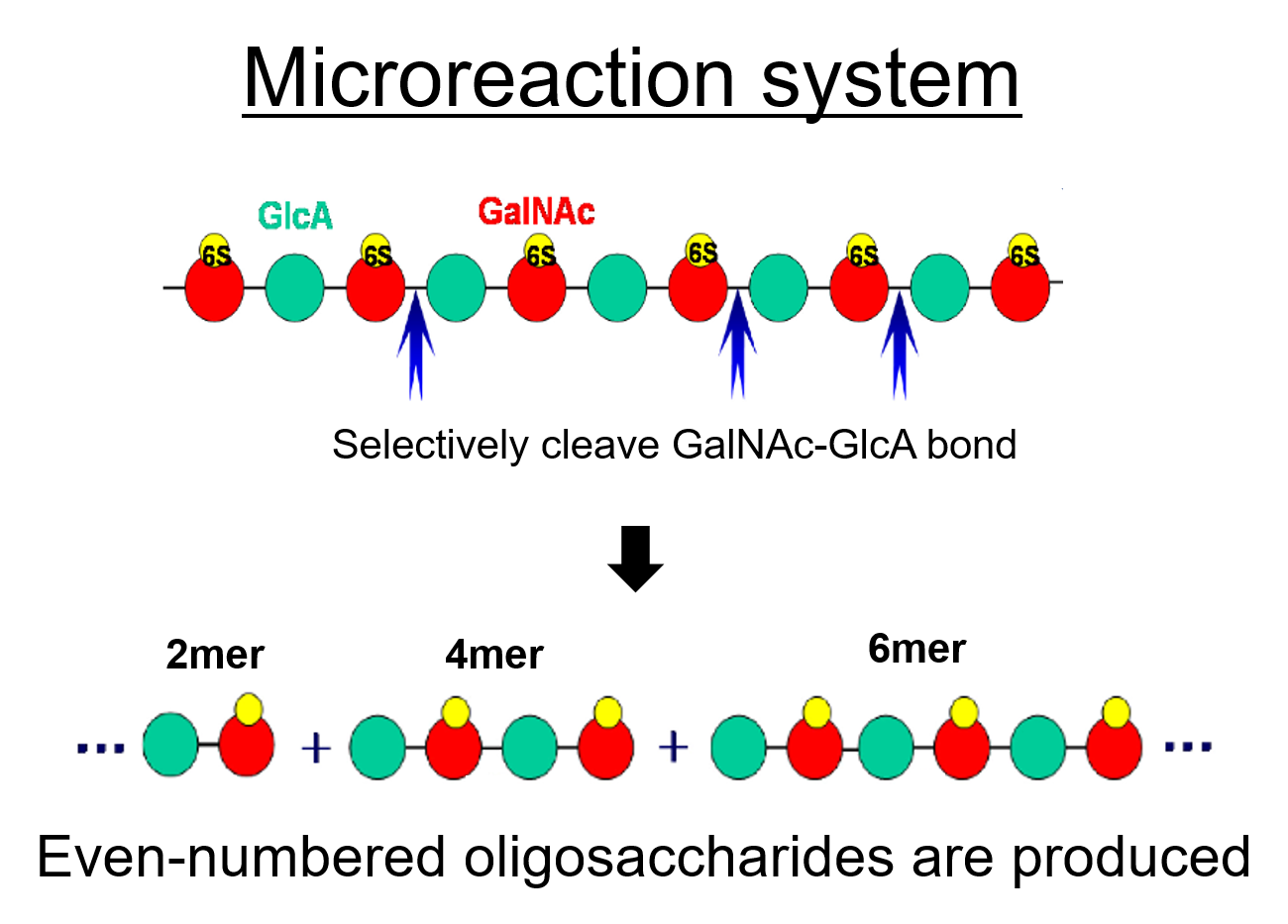
Chondroitin sulfate is a polymer substance which consist of alternating units of N-acetyl-Dgalactosamine (GalNAc) and D-glucuronic acid (GlcA). By the microreaction system below, chondroitin sulfate decomposes into low molecules non-enzynatically.
Features
- Sugar composition: mainly 2-12 sugars (mix type)
- Easy to dissolve in water
- Extracted from natural ingredient (ray fish cartilage)
- Type: Powder
- Chondroitin sulfate amount: >90%
- Moisture: <10%
- pH (1% solution): 3.5-5.5
- Heavy metals: <10 ppm
- General live bacteria: <3,000 cfu/g
- Coliform bacteria: Negative
- Granularity: 30 mesh pass
Application
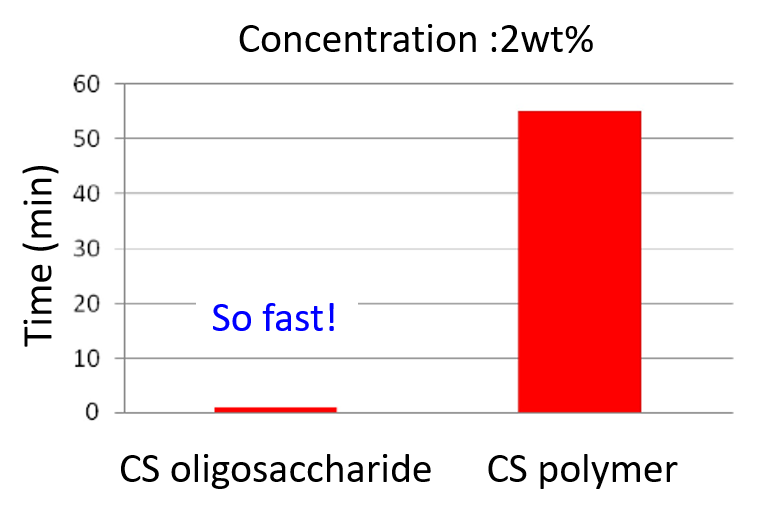 |
Fig. 1 : Water-soluble test Each samples were added in water and the dissolve time was measured. |
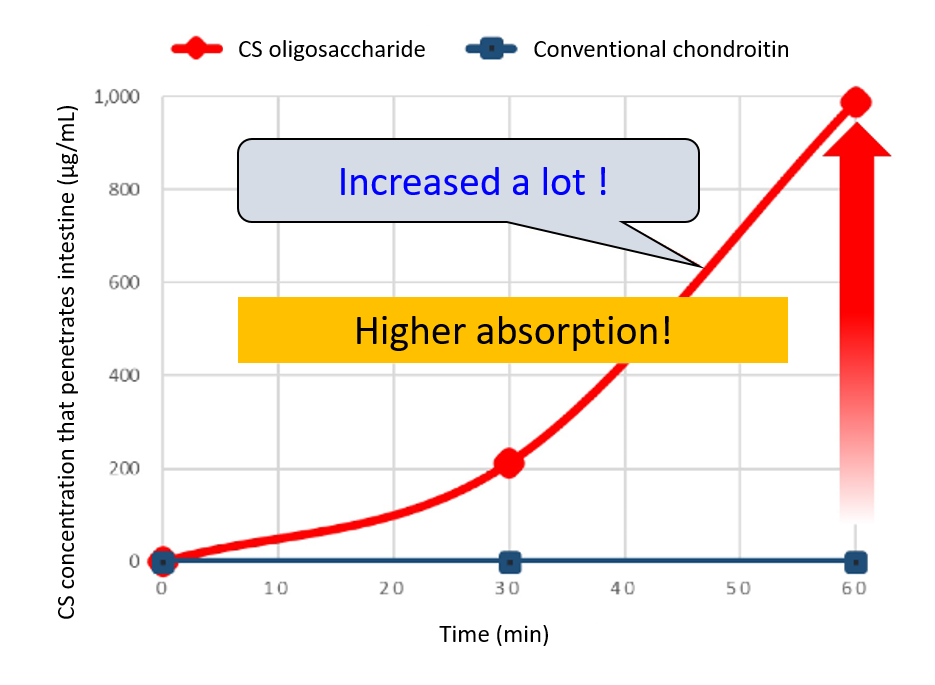 |
Fig. 2 : Absorption test using everted sac method (Rat) Our chondroitin sulfate oligosaccarides show excellent water absorbency compared to macromolecule conventional chondroitin sulfate. |
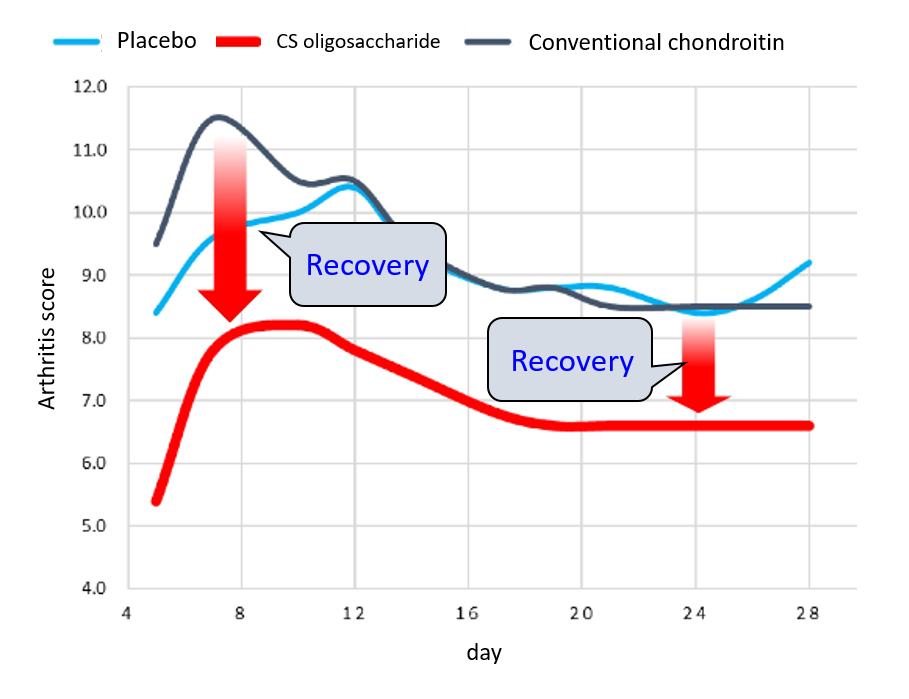 |
Fig. 3 : Anti-inflammatory test using arthritis model mouse Our chondroitin sulfate oligosaccaride shows excellent recovery from arthritis compared to conventional chondroitin sulfate. |
Relevance in Human Disease
- Joint Health: Chondroitin sulfate is most commonly used to manage joint pain and improve function in conditions like osteoarthritis. It is believed to help by preventing cartilage breakdown and promoting the synthesis of cartilage components.
- Supplementation: While some studies suggest benefits in reducing pain and improving joint function, the evidence is mixed, and more research is needed to fully understand its effectiveness.
- Safety and Side Effects: Generally considered safe for use, chondroitin sulfate can cause mild side effects such as stomach pain and nausea. It is important to consult with a healthcare provider to determine the appropriate dosage and product.
Cell Signaling
Chondroitin sulfate sodium salt affects cell signaling pathways through various mechanisms. It is known to regulate cell adhesion, motility, and migration, particularly in fibrosarcoma cells, by influencing signaling pathways such as JNK (c-Jun N-terminal kinase) and tyrosine kinase pathways. These pathways are critical for transmitting signals from the cell surface to the nucleus, affecting cellular responses such as growth, differentiation, and apoptosis.
Additionally, chondroitin sulfate sodium salt is involved in several other signaling pathways, including those related to angiogenesis, anti-infection, apoptosis, autophagy, cell cycle, cytoskeletal signaling, and DNA damage. These pathways play essential roles in maintaining cellular homeostasis and responding to various physiological and pathological conditions.
Overall, chondroitin sulfate sodium salt's ability to modulate these pathways highlights its potential therapeutic applications, particularly in joint health and cartilage-related disorders.
References
- Nishimura, M., et al., The Open Nutrition Journal., 12:10 (2018).
- Shanga, Q., et al., Int. J. of Biological Macromolecules., 89:489 (2016).
- Sakai, S., et al., J. Biol. Chem., 281 (29):19872 (2006) .
- Cho, S.Y., et al., Biol. Pharm. Bull., 27 (1):47 (2004) .
- Igarashi, N., et al., Int. J. of Carbohydrate Chem., 856142:(2013) .