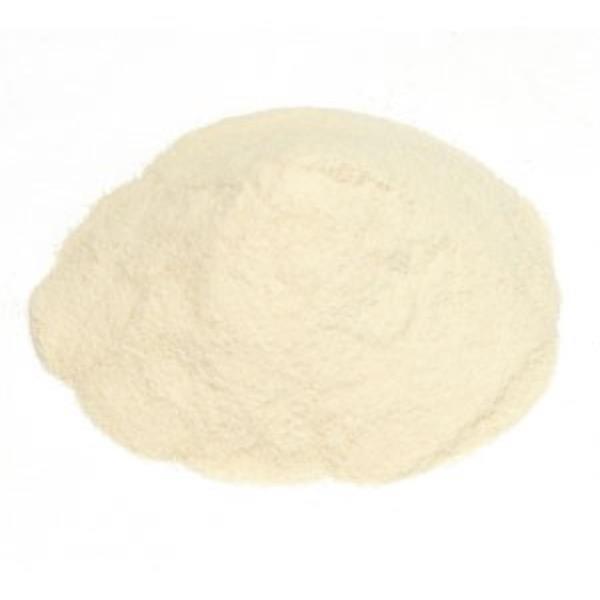
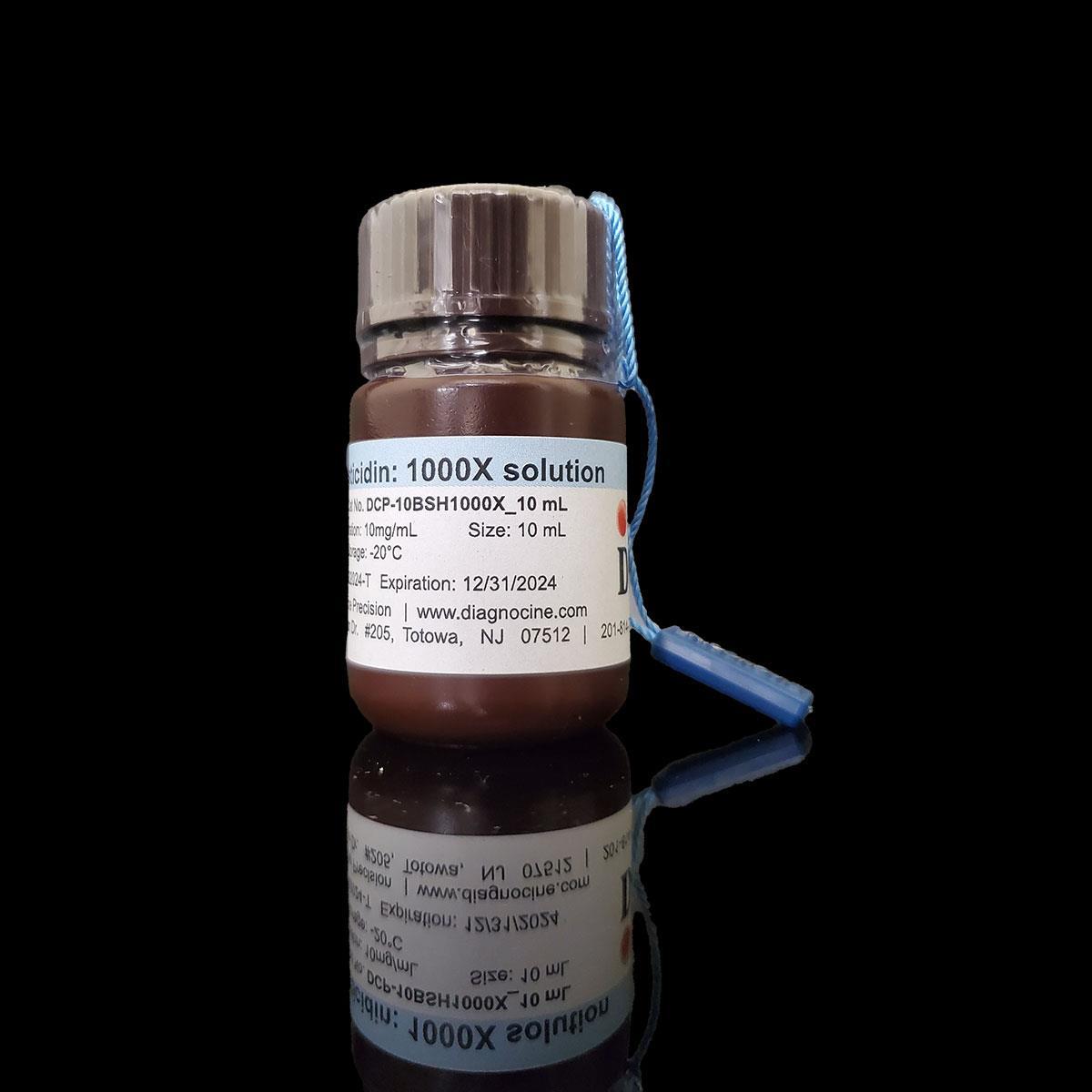
Blasticidin Solution
Product#: BlasticidinSolution
$0.00
Select See the table below
- See the table below
Availability:
Ships in 24 hours
 |
Description:
Balsticidin S HCL is a nucleoside antibiotic which is isolated from the soil bacterium Streptomyces griseochromogenes. Nucleoside analogue antibiotics resemble cytidine which has been effective to disrupt protein translation in human cells, fungi, and bacteria. It acts as an inhibitor of protein synthesis in both prokaryotic and eukaryotic cells. It inhibits protein synthesis by blocking peptide bond formation and hydrolysis of peptidyl-tRNA. Particularly, it binds to the ribosomal P-site which strengthens the binding of tRNA and slows down or prevents the subsequent addition of amino acids to the growing polypeptide chain. This process blocks the hydrolysis of peptidyl-tRNA due to the large ribosomal subunit's increased affinity for tRNA. Cells can be made resistant by expressing the bsr or BSD deaminase genes. The resistance is shown to convert it into a nontoxic deaminohydroxy derivative. It has shown potent in vitro activity against Staphylococcus aureus, Pseudomonas aeruginosa, Candida albicans among others. However, it has relatively low activity against Enterobacteriaceae like E. coli.
| Image | Cat.No: | Package Size(ml) | Concentration(mg/ml) | Storage | Link |
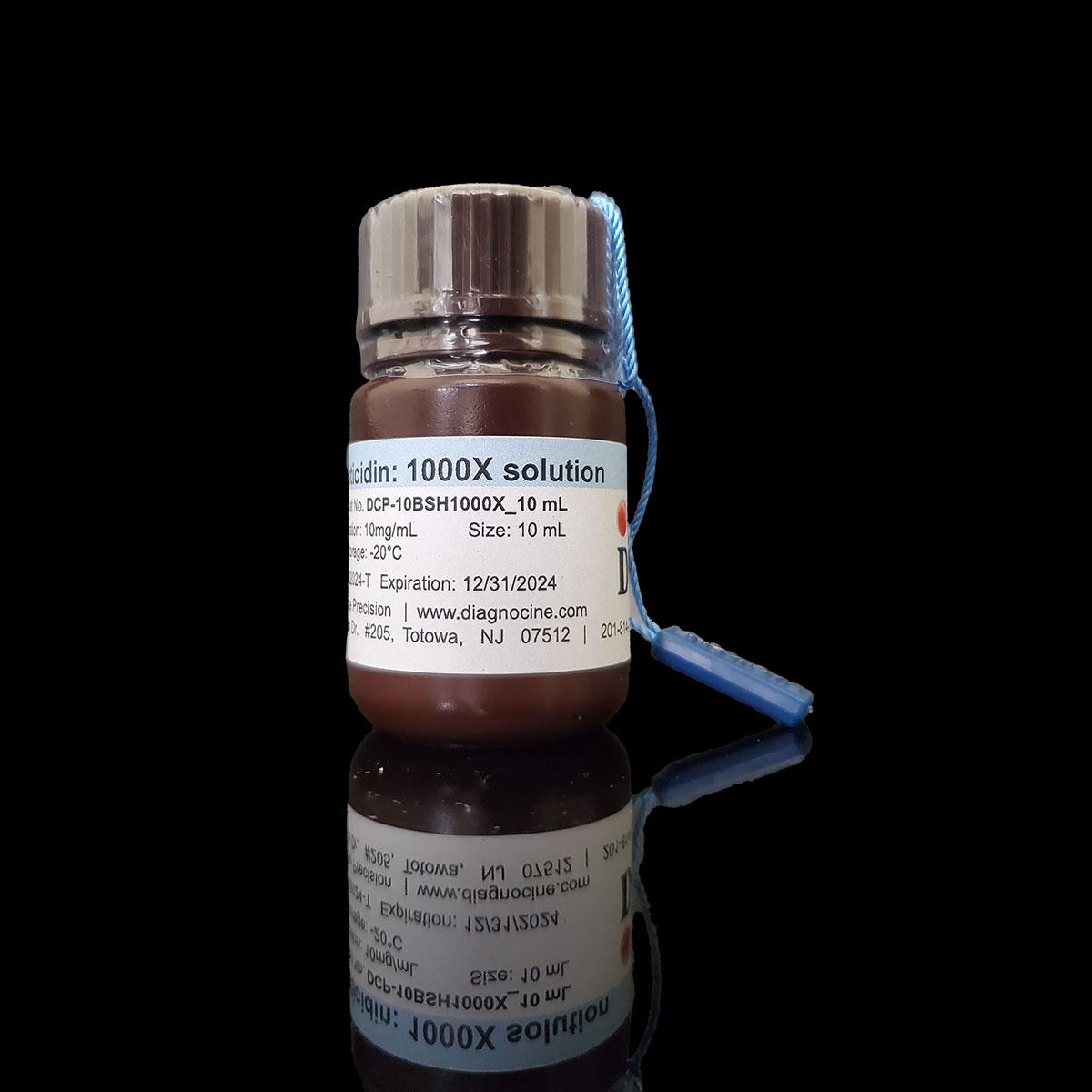 |
DCP-10BSH1000X_10mL | 10 | 10 | -20°C |  |
DCP-10BSH1000X_50mL |
5x10 | |