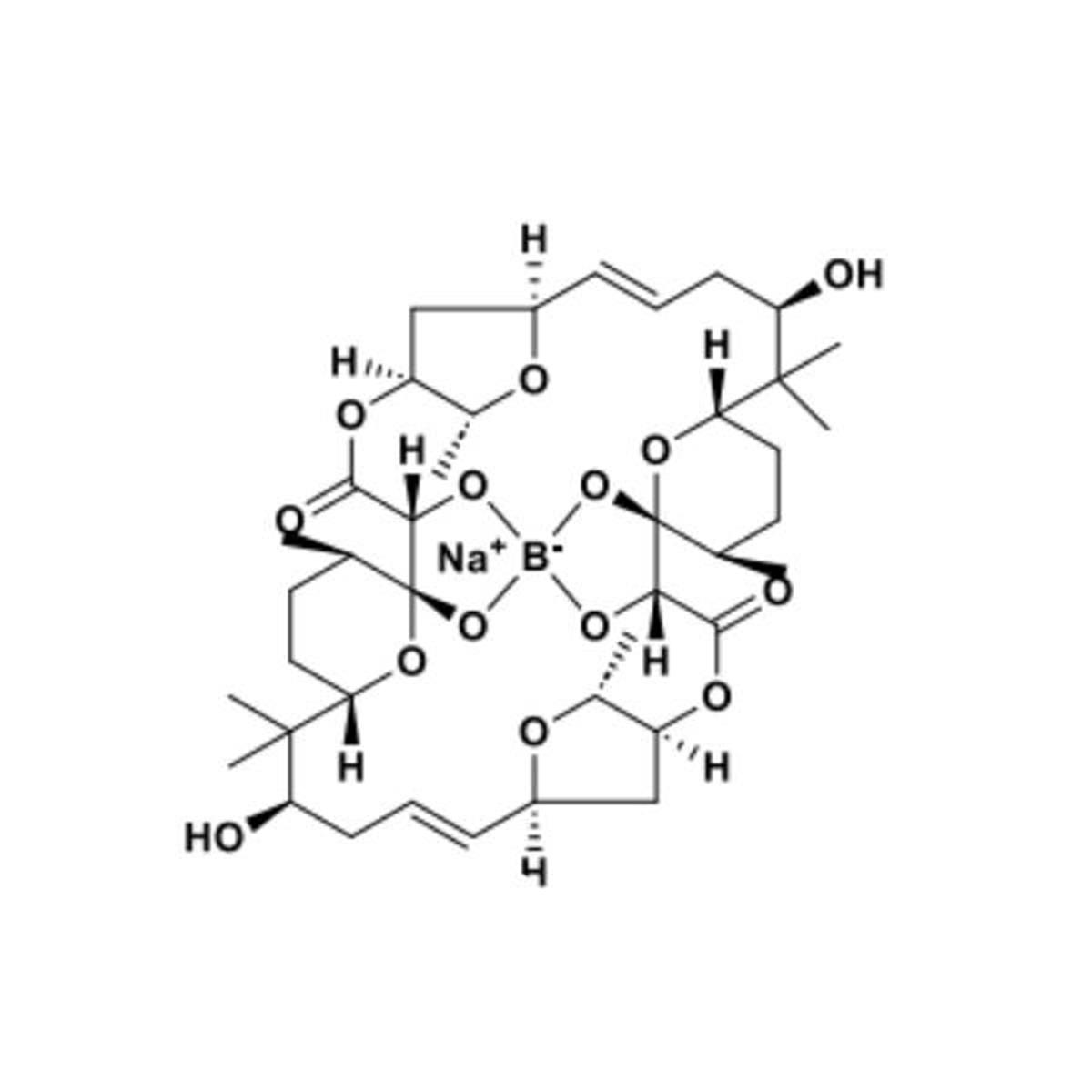
Aplasmomycin A (sodium salt) Insecticidal, Anti-Plasmodium Antibiotic
Product#: FNK-17683
$598.00
Availability:
Ships in 24 hours
Aplasmomycin A (sodium salt) Insecticidal, Anti-Plasmodium Antibiotic
Cat No.: FNK-17683Specifications:
Molecular formula: C40H60BO14Na
MW: 798.706
Purity: >98% (HPLC)
Solubility: Soluble in DMSO and methanol, practically insoluble in water.
Storage conditions: -20℃
Application Notes:
Aplasmomycin A was isolated from culture filtrate of Streptomyces griseus SS-20. Its structure was determined by X-ray crystallographic analysis of its Ag-salt. Aplasmomycin A inhibited the growth of Gram-positive bacteria including mycobacteria and it showed antimalarial activity in mice infected with Plasmodium berghei. Aplasmomycin A specifically inhibited the futalosine pathway of menaquinone biosynthesis.
References:
1) Studies on marine microorganisms. V. a new antibiotic, aplasmomycin, produced by a streptomycete isolated from shallow sea mud. Okami Y, et al. J Antibiot. 1976 29(10) 1019-1025.
2) Structure of aplasmomycin. Nakamura H, et al. J Antibiot. 1977 30(9) 714-719.
3) Aplasmomycin and boromycin are specific inhibitors of futalosine pathway. Shimizu Y, et al. J Antibiot. 2018 71(11) 968 -970.
Related Products:
| Enzyme Inhibitors | Compound Name | Product Code | Link | ||||
|---|---|---|---|---|---|---|---|
| Serine carboxypeptidase inhibitor | Belactin A | FNK-17736 |  |
||||
| Tyrosine hydroxylase inhibitor | Oudenone (Potassium Salt) | FNK-16640 | |
||||
| Proteasome inhibitor | Phepropeptin A | FNK-16964 | |
||||
| Phepropeptin B | FNK-16965 | |
|||||
| Phepropeptin C | FNK-16966 | |
|||||
| Phepropeptin D | FNK-16967 | |
|||||
| Angiotensin-converting enzyme (ACE) inhibitor | Foroxymithine | FNK-16968 | |
||||
| Biological Activity on Cells and Organisms | Compound Name | Product Code | Link | ||||
| Inhibition of NO production in macrophage | SF2425 (Sulfate) | FNK-17577 | |
||||
| Antitumor effect/Cytotoxicity/Anti-angiogenesis | Bactobolin A (Hydrochloride) | FNK-08465 | |
||||
| Clazamycin A (Hydrochloride) | FNK-16715 | |
|||||
| Lavendamycin | FNK-16734 | |
|||||
| MC-1 | FNK-16479 | |
|||||
| Immunomodulation/Immunosuppressant effect | Bactobolamine | FNK-15160 | |
||||
| Conagenin | FNK-16969 | |
|||||
| Siderophore | Foroxymithine | FNK-16968 | |
||||
| Antihypertensive effect | Oudenone (Potassium Salt) | FNK-16640 | |
||||
| Infectious Disease Prevention | Compound Name | Product Code | Link | ||||
| Antibacterial activity/Antifungal activity | SF2425 (Sulfate) | FNK-17577 | |
||||
| Lavendamycin | FNK-16734 | |
|||||
| Antimalarial | Aplasmomycin (Sodium Salt) | FNK-17683 | Current Link | ||||
| Bacterial proteins/Inhibition of DNA synthesis | Actinobolin (Sulfate) | FNK-15172 | |
||||
| Clazamycin A (Hydrochloride) | FNK-16715 | |
|||||
Natural macrocyclic compounds from microorganisms:
| Structural classification | Compound Name | Chemical Structure | Property / Biological activity | Link | ||||
|---|---|---|---|---|---|---|---|---|
| Bacterial proteins/Inhibition of DNA synthesis | Aplasmomycin (Sodium Salt) |  |
Aplasmomycin A Inhibited the growth of gram-positive bacteria including mycobacteria and showed an antimalarial activity in mice infected with Plasmodium berghei. | Current Link | ||||
| Migrastatin | 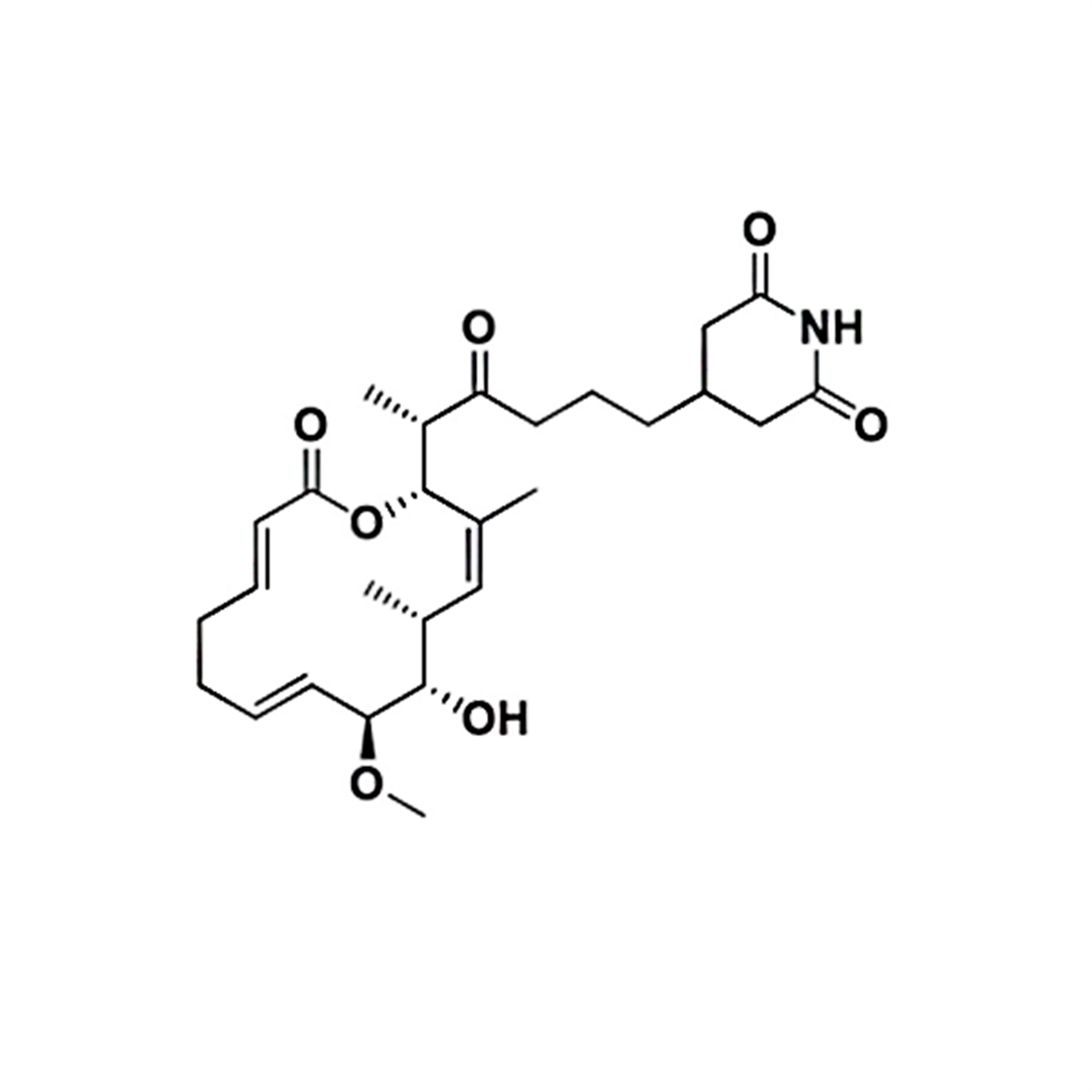 |
Migrastatin inhibited metastasis of human esophageal cancer cells and anchorage-independent growth of human small cell lung carcinoma cells. | |
|||||
| Macrolactams | Bisucaberin | 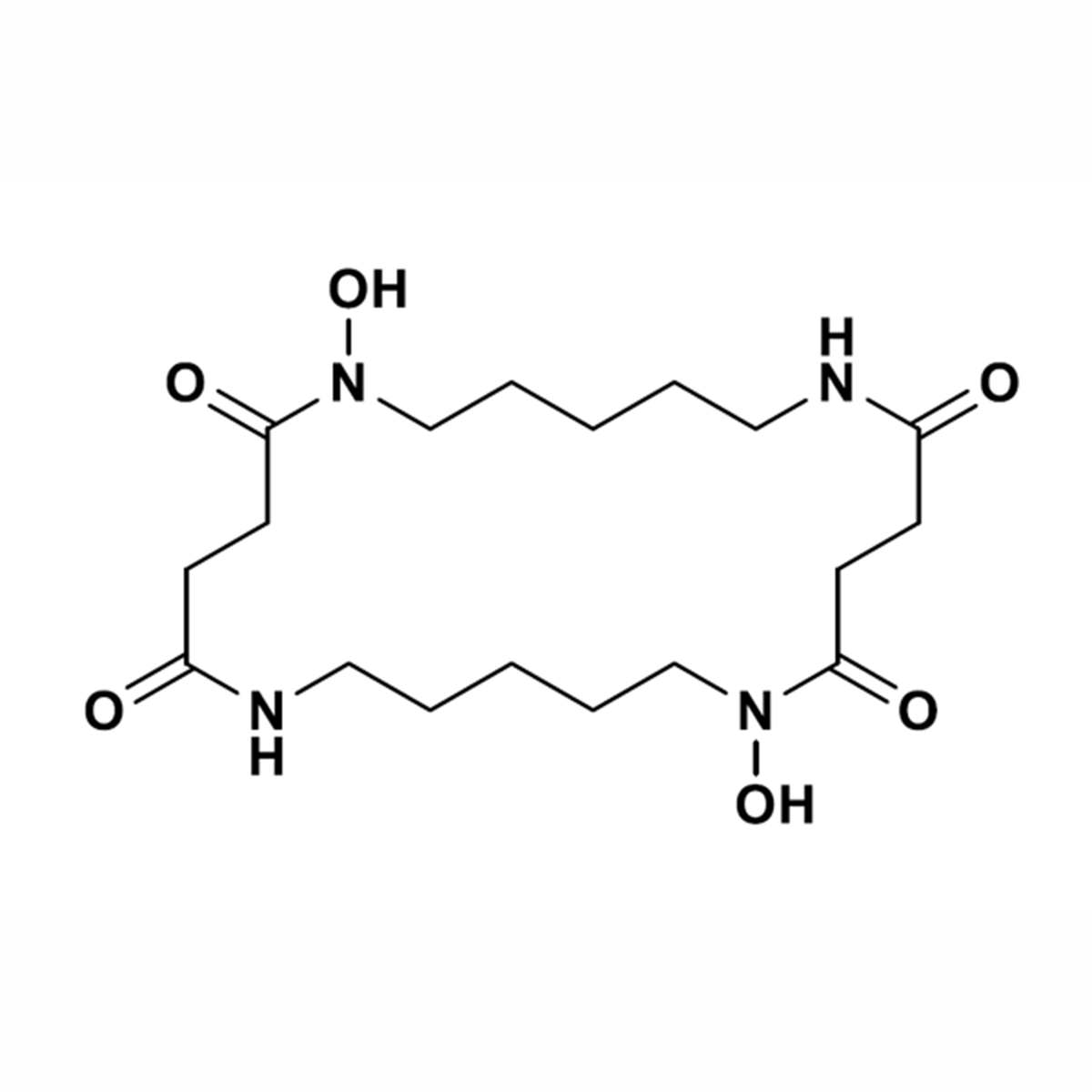 |
Bisucaberin is a siderophore with iron-affinity and induced concentration dependent macrophage-mediated tumor cell lysis. | |
||||
| Cyclic peptides | Bottromycin A2 | 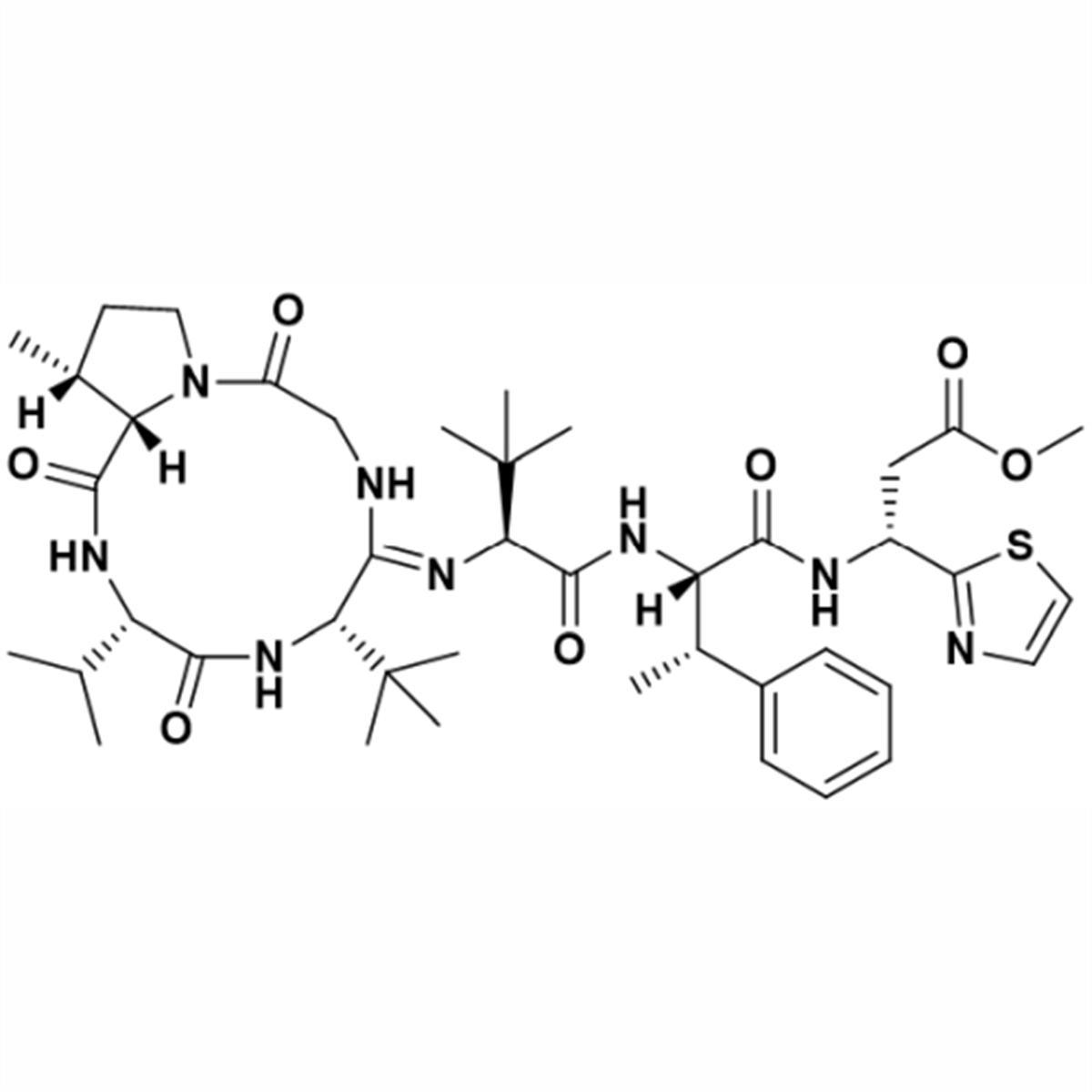 |
Bottromycin A2 showed growth inhibitory activity against gram-positive bacteria, MRSA (Methicillin-resistant Staphylococcus aureus), and VRE (Vancomycin-resistant Enterococci). | |
||||
| Iturin A-2 | 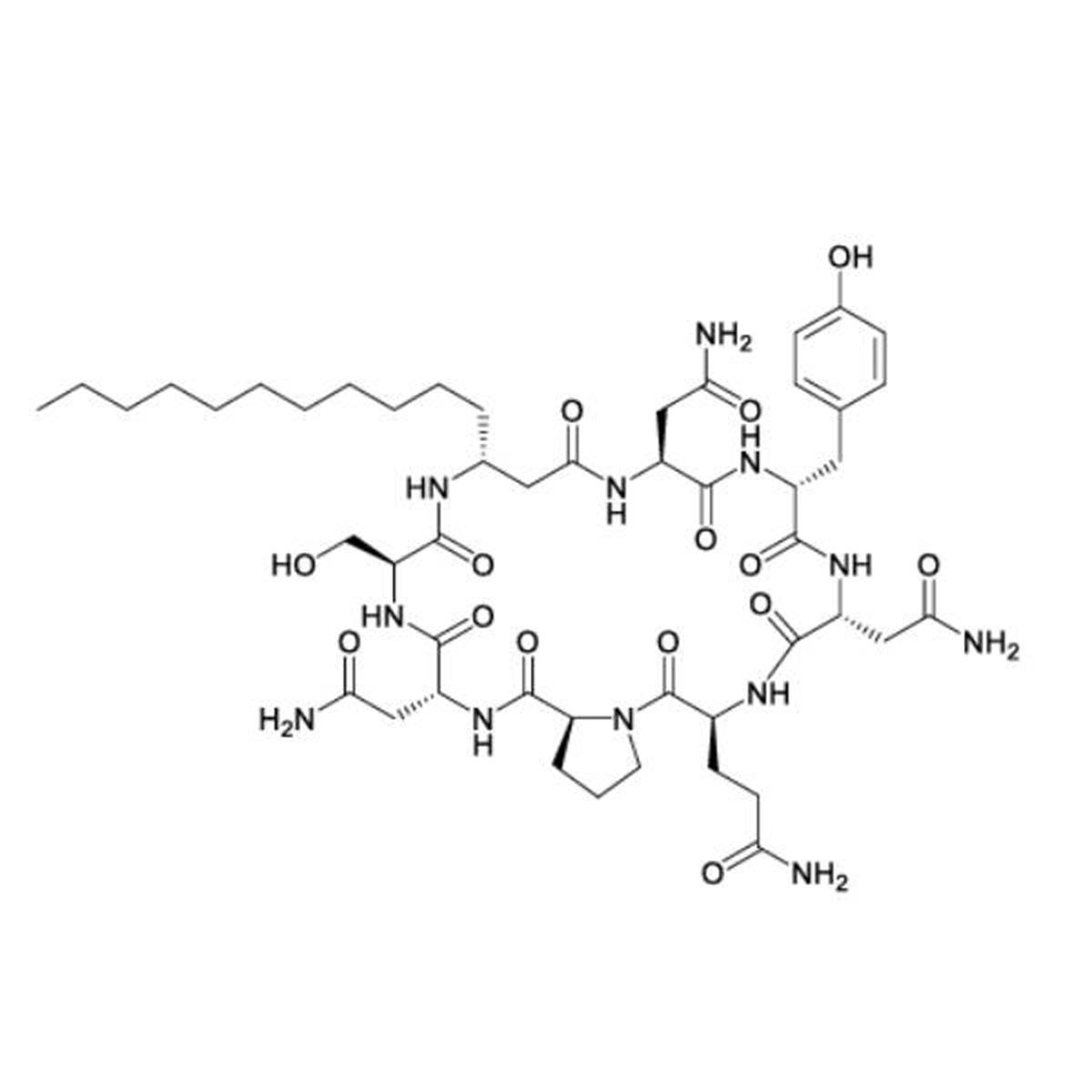 |
Iturin A-2 showed the control of damping-off of tomato (a seedling disease) and cytotoxicity to human breast cancer cell line BT-474. | |
|||||
| Plipastatin A1 | 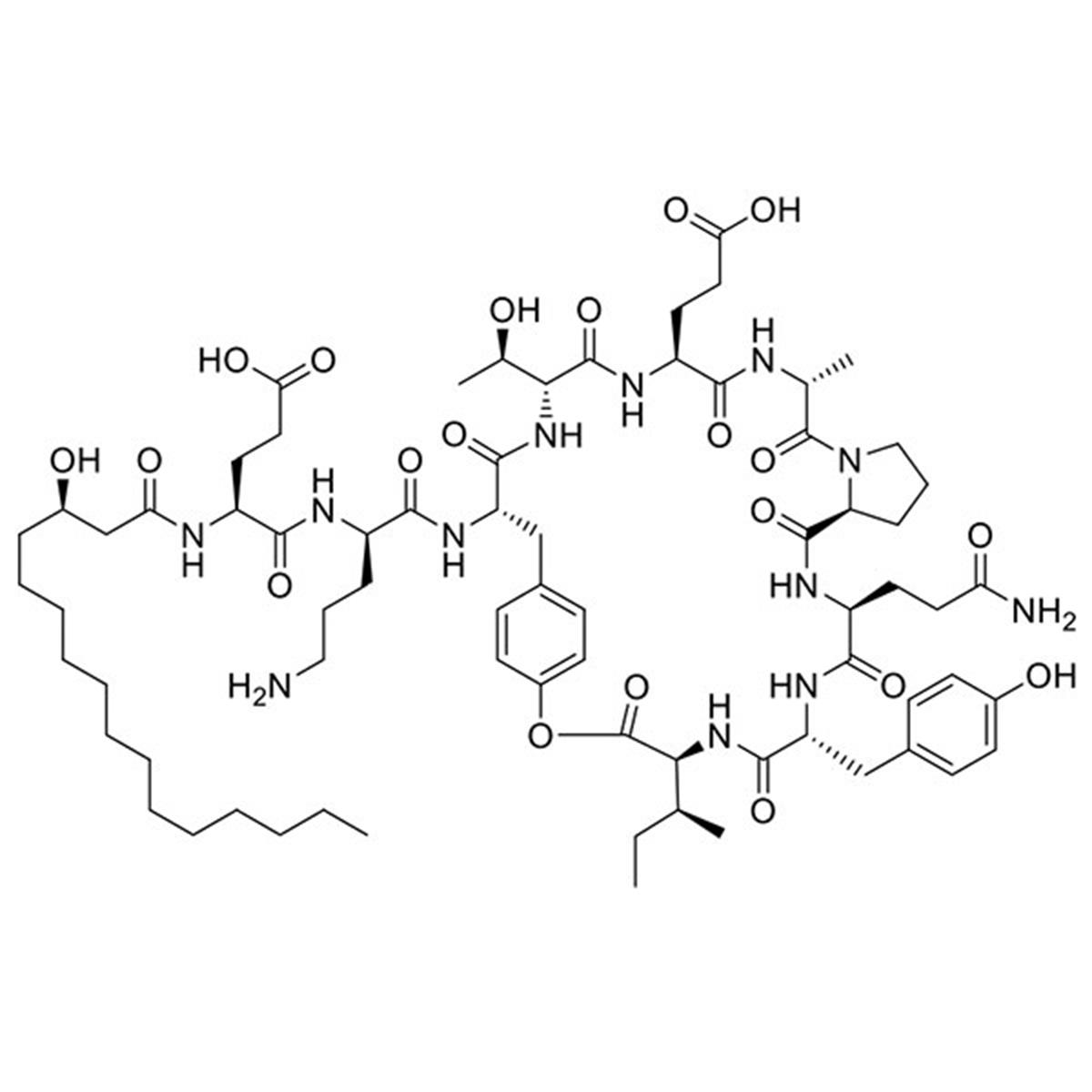 |
Plipastatin A1 inhibited phospholipase A2 and induced ISR (induced-systemic-resistance). | |
|||||
| Phepropeptin A |  |
Phepropeptin A inhibited proteasomal chymotrypsin-like activity. | |
|||||
| Phepropeptin B |  |
Phepropeptin B inhibited proteasomal chymotrypsin-like activity. | |
|||||
| Phepropeptin C |  |
Phepropeptin C inhibited proteasomal chymotrypsin-like activity. | |
|||||
| Phepropeptin D |  |
Phepropeptin D inhibited proteasomal chymotrypsin-like activity. | |
|||||
| Cycloalkenes | Rubratoxin A | 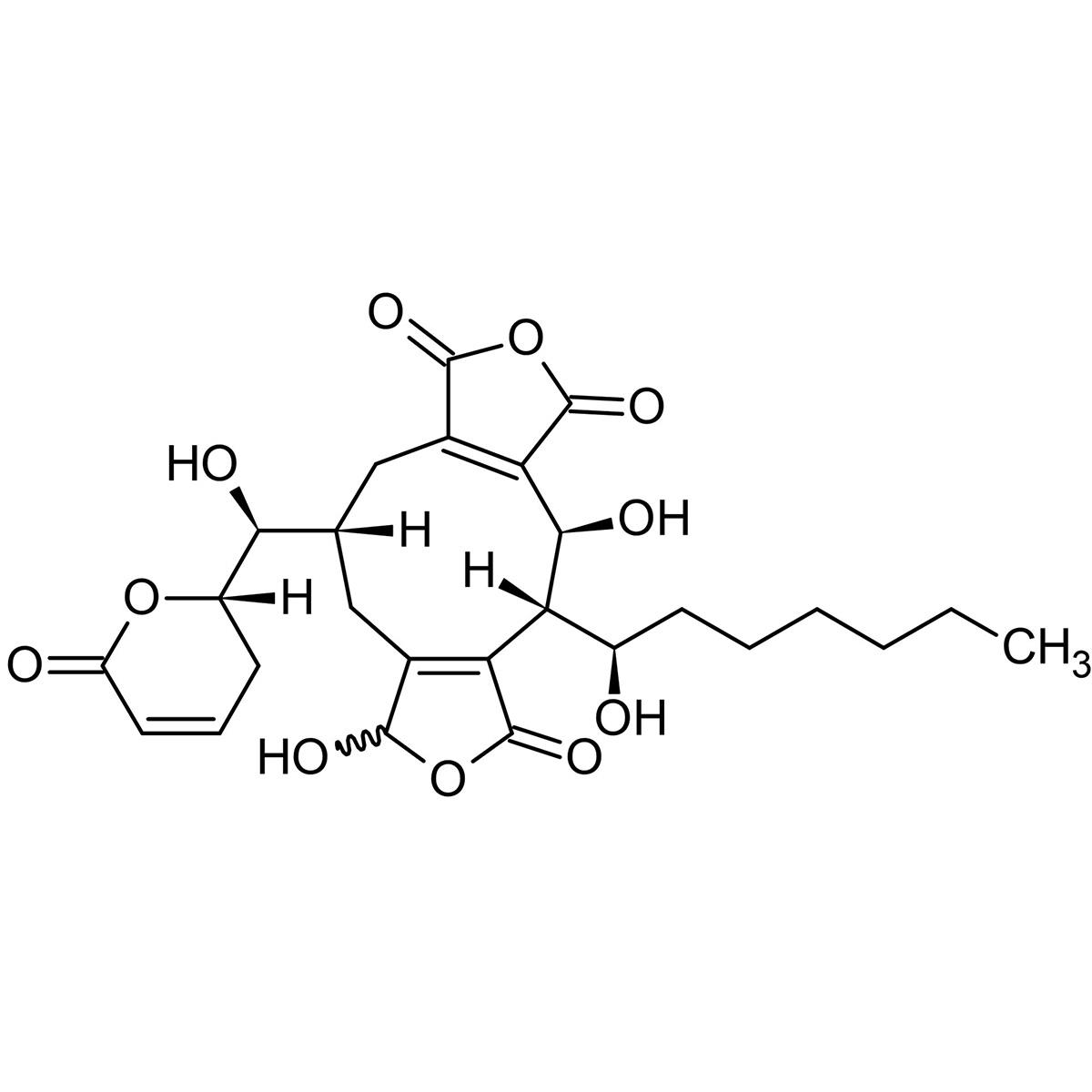 |
Rubratoxin A inhibited protein phosphatase 2A (PP2A) in a competitive manner. | |
||||

Recently Viewed

Eco P reservoir 8ch
$67.25
Mannitol Salt Agar Plates
$17.75


Rabbit anti-goat IgG, HRP
$321.28




Genomic and GC-Rich
$0.00