
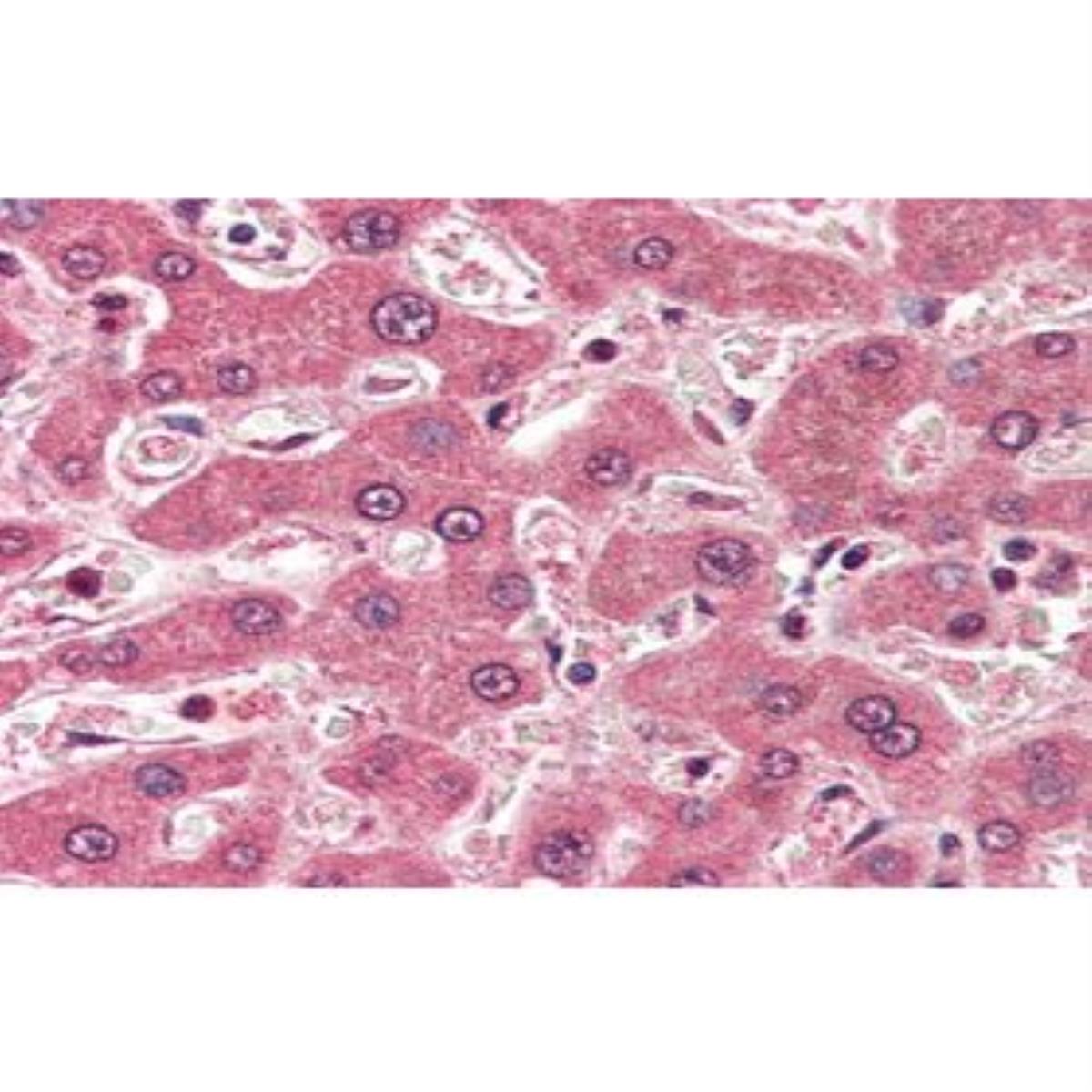
Anti-Human Apolipoprotein B, Mouse Monoclonal, Biotin (B-2F1)
Anti-Human Apolipoprotein B, Mouse Monoclonal, Biotin (B-2F1)
DiagnoCine offers excellent APOLIPOPROTEIN antibodies to researchers studying human induced pluripotent stem cell, mitochondrial dysfunction, pathophysiology, genetic polymorphisms, metabolism, phospholipase A2 activity, cellular surface factor, angiotensin-converting enzyme, nitric oxide synthase activity, amyloidosis, epigenome/metabolome research, sialylation proteoforms, pathogenesis, and progression.
Human diseases include type 1 diabetes, Memory Deficit, hepatitis C virus, Alzheimer's Disease, Osteoporotic Fractures. endoplasmic reticulum stress, atherosclerotic lesions, cancer, multiple sclerosis, Toxic Hetero-oligomers, brain amyloid load, hypertriglyceridemic pancreatitis, Atherosclerosis, Schnauzers, coronary artery disease, psoriasis, cardiac amyloidosis, cardiovascular disease and hypertension, dementia, type 2 diabetes mellitus, toxicity in human neurons, cognitive impairment, atherothrombosis, familial hypobetalipoproteinemia, hyperlipidemia, Parkinson's disease, metabolic syndrome, coronary heart disease, and depression.
APOLIPOPROTEIN antibodies have excellent quality and this highly pure antibody can be adapted for Western Blots, ELISA, Immunohistochemistry, Immunofluorescence research with optimization.
General information
| Cat. No. | :FNK-BML009 |
| Size | :100 µg |
| Label | :Biotin |
| Clone | :B-2F1 |
| Class | :IgG |
| Application | :Western blotting, Sandwich ELISA |
| Cross Reactivity | :Human/ Rabbit |
| Antigen | :Human |
| Host Animal | :Mouse |
| Purification | :Pu |
| Storage | :Stored at-80˚C. |
Antigen Characterization
| Type | :Recombinant protein |
| Application | :ELISA, Western Blot |
| Species | :Human |
| Recombinant | :Yes |
Apolipoprotein B in the Cell
- Key structural protein in lipoprotein formation and secretion
- Primary organizing protein for chylomicrons, VLDL, and LDL
- Essential for lipoprotein assembly and secretion from hepatocytes and enterocytes
- Facilitates incorporation of lipids (triglycerides and cholesterol) into nascent lipoprotein particles
- Acts as a ligand for the LDL receptor
- Enables cellular uptake of LDL particles
- Regulates intracellular cholesterol homeostasis
Apolipoprotein B in the Human Body
- Central role in lipid metabolism and transport
- Exists in two main isoforms: ApoB-48 (in chylomicrons) and ApoB-100 (in VLDL and LDL)
- Responsible for transporting cholesterol and triglycerides throughout the body
- ApoB concentration correlates with the number of circulating atherogenic lipoprotein particles
- Serves as a valuable biomarker for cardiovascular risk assessment
- Elevated levels associated with increased risk of atherosclerosis and cardiovascular disease
- Potential therapeutic target for managing dyslipidemia and reducing cardiovascular risk
Aliases for APOB Gene
- Apolipoprotein B 2 3 5
- Apolipoprotein B (Including Ag(X) Antigen) 2 3
- Apolipoprotein B-100 3 4
- Apolipoprotein B48 3
- Apo B-100 4
- ApoB-100 3
- ApoB-48 3
- LDLCQ4 3
- FCHL2 3
- FLDB 3
- APOB 5

References
- Behbodikhah, Jennifer et al. “Apolipoprotein B and Cardiovascular Disease: Biomarker and Potential Therapeutic Target.” Metabolites vol. 11,10 690. 8 Oct. 2021, doi:10.3390/metabo11100690
- Proitsi, Petroula. “The Key Role of Apolipoprotein B in Major Vascular Diseases and Longevity.” The Lancet Healthy Longevity, vol. 2, no. 6, June 2021, doi:10.1016/s2666-7568(21)00120-3.
- Glavinovic, Tamara, et al. “Physiological Bases for the Superiority of Apolipoprotein B over Low?density Lipoprotein Cholesterol and Non–High?density Lipoprotein Cholesterol as a Marker of Cardiovascular Risk.” Journal of the American Heart Association, vol. 11, no. 20, 18 Oct. 2022, doi:10.1161/jaha.122.025858.