Anti-Human Apolipoprotein A-V, Mouse Monoclonal, Biotin (A5-E8E)
Anti-Human Apolipoprotein A-V, Mouse Monoclonal, Biotin (A5-E8E)
DiagnoCine offers excellent APOLIPOPROTEIN antibodies to researchers studying human induced pluripotent stem cell, mitochondrial dysfunction, pathophysiology, genetic polymorphisms, metabolism, phospholipase A2 activity, cellular surface factor, angiotensin-converting enzyme, nitric oxide synthase activity, amyloidosis, epigenome/metabolome research, sialylation proteoforms, pathogenesis, and progression.
Human diseases include type 1 diabetes, Memory Deficit, hepatitis C virus, Alzheimer's Disease, Osteoporotic Fractures. endoplasmic reticulum stress, atherosclerotic lesions, cancer, multiple sclerosis, Toxic Hetero-oligomers, brain amyloid load, hypertriglyceridemic pancreatitis, Atherosclerosis, Schnauzers, coronary artery disease, psoriasis, cardiac amyloidosis, cardiovascular disease and hypertension, dementia, type 2 diabetes mellitus, toxicity in human neurons, cognitive impairment, atherothrombosis, familial hypobetalipoproteinemia, hyperlipidemia, Parkinson's disease, metabolic syndrome, coronary heart disease, and depression.
APOLIPOPROTEIN antibodies have excellent quality and this highly pure antibody can be adapted for Western Blots, ELISA, Immunohistochemistry, Immunofluorescence research with optimization.
General information
| Cat. No. | :BML006 |
| Size | :50 µg |
| Formulation | :0.2 µm filtered PBSsolution |
| Label | :Biotin |
| Specificity | :This antibody has been selected for its ability to bind for human apo A-V (1). |
| Class | :IgG |
| Clone | :A5-E8E |
| Application | :ELISA, IP, Western Blot |
| Cross Reactivity | :Human |
| Antigen | :Human |
| Host Animal | :Mouse |
| Purification | :PAPu |
| Storage | :IgG in PBS solution are stable for twelve months from the date of receipt when stored at-80˚C. Avoid repeated freeze-thaw cycles. |
Preparation
Produced in mice by the method of DNA-based immunization (1). Apo A-V specific IgG was purified from mouse ascites fluid with a protein A-Sepharose.
Additional Applications
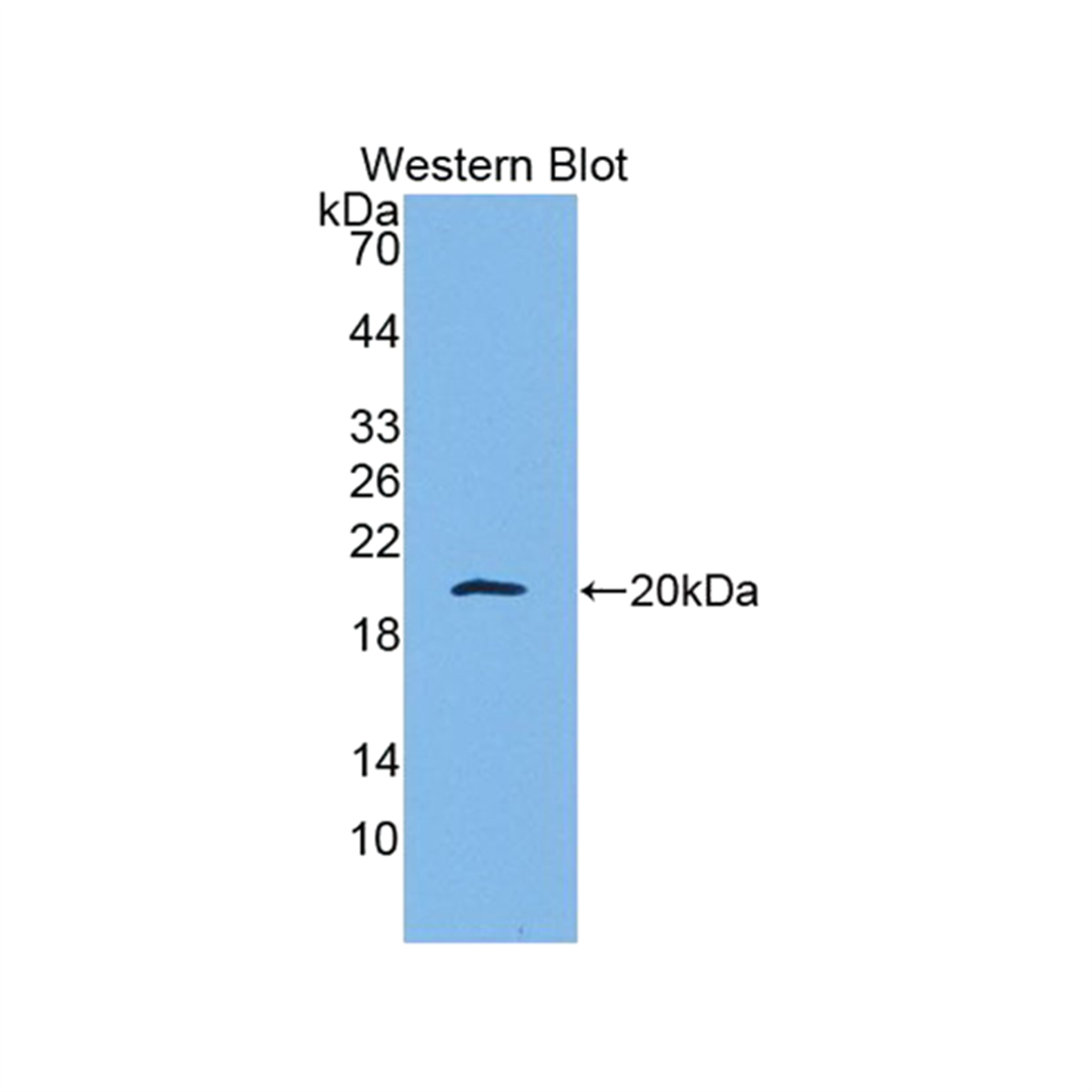
Western Blot – This antibody can be used at 0.2 – 1.0 ng/mL with the appropriate secondary reagent to detecthuman apoA-V. The detection limit for purified recombinant apoA-V and plasma sample is approximately 0.2 ng/lane and 0.5 µL/lane, respectively, under non-reducing and reducing conditions (1, 2)
Sandwich ELISA – This antibody can be used as a detection antibody in a human apo A-V ELISA in combination with the monoclonal capture antibody (Catalog #BML004). The detail for ELISAprotocol is described in reference (1). Using plates coated with 100 µL/well of the capture antibody, in combination with 100 µL/well of the detection antibody at 500 ng/mL, an ELISA for sample volumes of 100 µL can be obtained. Titrate each preparation of the serum sample for standard preparation to arrive at the most suitable dose range. For this antibody pair, a two-fold dilution series starting at 20 ng/mL is suggested. For more information,please see thereference (1).
Antigen Characterization
| Type | :Protein |
| Application | :Western Blot, ELISA, Immunohistochemistry |
| Species | :Human, Mouse, Rat |
| Recombinant | :Yes |
APOA5 in the Cell
- Associates with cytosolic lipid droplets in hepatocytes and cardiomyocytes
- Modulates triglyceride (TG) metabolism within cells
- Decreases cellular TG content under lipid-accumulation conditions
- Reduces TG levels by up to 45% in HL-1 cells
- Influences fatty acid uptake and lipid secretion
- Decreases fatty acid uptake
- Increases TG and cholesterol ester secretion
- Reduces TG levels by up to 45% in HL-1 cells
APOA5 in the Human Body
- Key regulator of plasma TG homeostasis
- Present in low concentration in plasma (150-400 ng/mL)
- Enhances lipoprotein lipase (LPL)-mediated hydrolysis of TG-rich lipoproteins by:
- Binding to heparan sulfate proteoglycans
- Interacting with low-density lipoprotein receptor family members
- Binding to endothelial cell surface protein GPIHBP1
- Lowers plasma TG levels
- Interacts with chylomicrons and other TG-rich particles
- Contributes to TG clearance from the bloodstream
- Loss of apoA-V function associated with:
- Elevated plasma TG levels
- Increased risk of cardiovascular disease
Aliases for APOA5 Gene
- Apolipoprotein A5 2 3 4 5
- Apolipoprotein A-V 2 3 4
- RAP3 2 3 4
- Regeneration-Associated Protein 3 3 4
- Apo-AV 3 4
- Apolipoprotein A-V Precursor Variant 3 3
- APOA-V 2
- ApoA-V 4
- APOAV 3
- APOA5 5

References
- Ishihara et al.,Asandwich enzyme-linked immunosorbent assay for human plasma apolipoproteinA-Vconcentration.2005;46:2015-2022.
- Garelnabi, Mahdi et al. “The paradox of ApoA5 modulation of triglycerides: evidence from clinical and basic research.” Clinical biochemistry vol. 46,1-2 (2013): 12-9. doi:10.1016/j.clinbiochem.2012.09.007
- de Luis, Daniel et al. “APOA-5 Genetic Variant rs662799: Role in Lipid Changes and Insulin Resistance after a Mediterranean Diet in Caucasian Obese Subjects.” Disease markers vol. 2021 1257145. 12 Aug. 2021, doi:10.1155/2021/1257145
- Forte, Trudy M, and Robert O Ryan. “Apolipoprotein A5: Extracellular and Intracellular Roles in Triglyceride Metabolism.” Current drug targets vol. 16,12 (2015): 1274-80. doi:10.2174/1389450116666150531161138
- Dallinga-Thie, G.M., van Tol, A., Hattori, H. et al. Plasma apolipoprotein A5 and triglycerides in type 2 diabetes. Diabetologia 49, 1505–1511 (2006). https://doi.org/10.1007/s00125-006-0261-0
- Su, X., Kong, Y. & Peng, Dq. New insights into apolipoprotein A5 in controlling lipoprotein metabolism in obesity and the metabolic syndrome patients. Lipids Health Dis 17, 174 (2018). https://doi.org/10.1186/s12944-018-0833-2
- Ibi, Dorina et al. “Apolipoprotein A-V is a potential target for treating coronary artery disease: evidence from genetic and metabolomic analyses.” Journal of lipid research vol. 63,5 (2022): 100193. doi:10.1016/j.jlr.2022.100193