
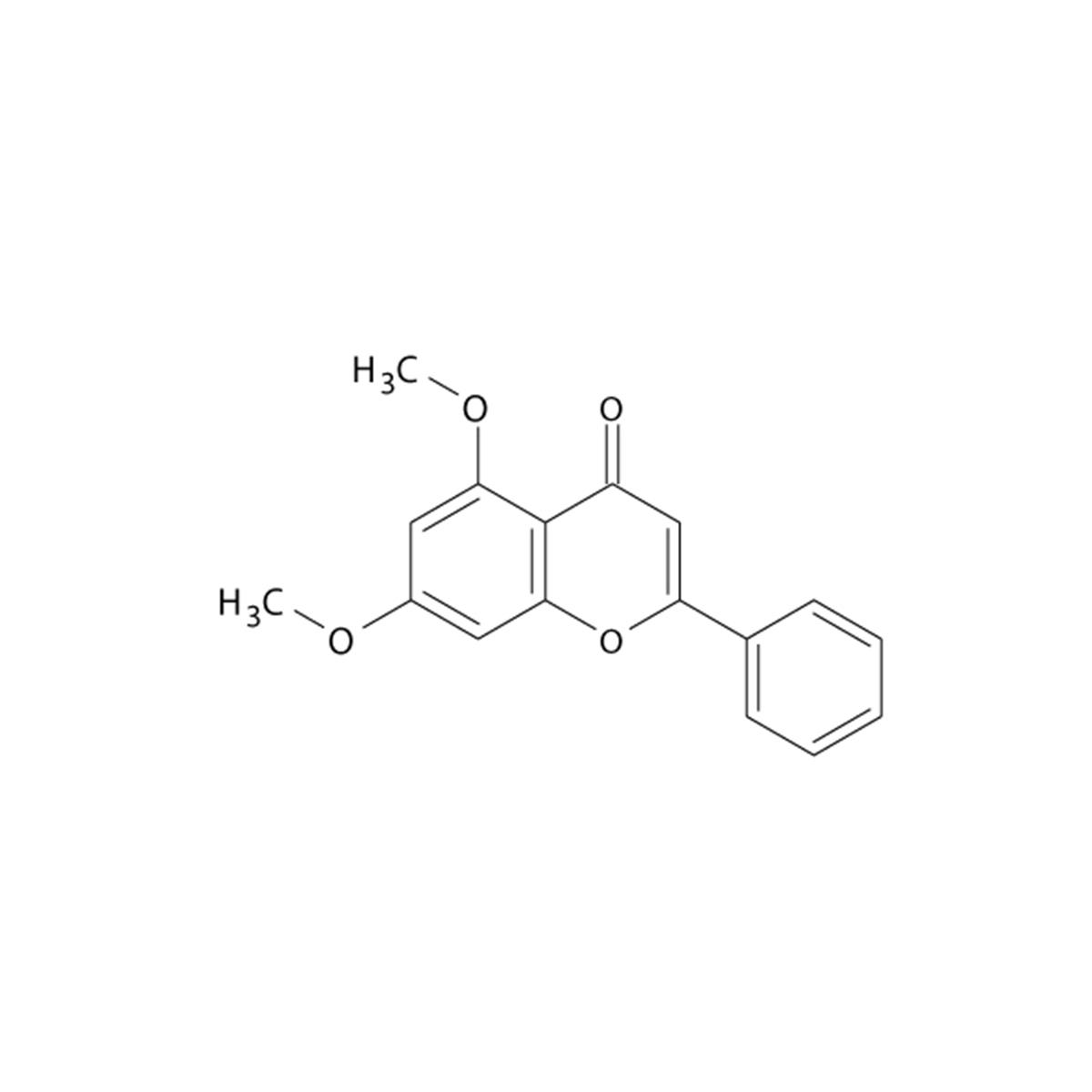
5,7-Dimethoxyflavone
Product#: FNK-2400146
$931.34
Availability:
Ships in 1-2 Weeks
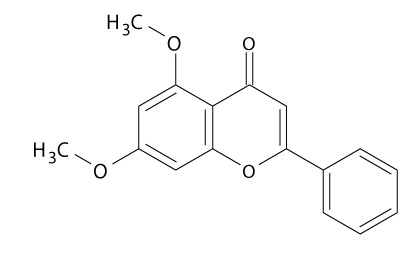
5,7-Dimethoxyflavone
Cat. No. FNK-2400146Size 10 mg
Store 4°C
M. F. C17H14O4
M.W. 282.30
Purify >= 98 % (HPLC)
Cas 21392-57-4
Description
5,7-Dimethoxyflavone (DMF) is a naturally occurring flavonoid found in plants such as Kaempferia parviflora and Boesenbergia rotunda . It has been studied for its various pharmacological properties, including anti-inflammatory, anti-obesity, and antineoplastic effects .
Human Disease
5,7-Dimethoxyflavone (DMF) is a flavonoid compound that has shown potential therapeutic effects on several human diseases:
Intestinal Barrier Function: DMF has been found to enhance the barrier function of human intestinal Caco-2 cells. It increases the expression of occludin and reduces claudin-2, which are proteins involved in the tight junctions of intestinal cells, thereby potentially improving intestinal health and preventing diseases related to barrier dysfunction.
Endometriosis: DMF exhibits antiproliferative and apoptotic effects in human endometriosis cell lines. It induces apoptotic cell death by activating endoplasmic reticulum stress and modulating signaling molecules related to cell survival. This suggests that DMF could be a potential alternative treatment for endometriosis, a condition characterized by the dislocation of endometrial tissues, which affects a significant percentage of women in their reproductive years.
Sarcopenia: DMF has been studied for its effects on sarcopenia, a muscle disease associated with aging. It was shown to improve muscle mass and function in aged mice by regulating protein turnover and mitochondrial biogenesis-related pathways. DMF also alleviated inflammatory responses, indicating its potential as a natural agent to inhibit sarcopenia.
Cell Signaling Pathway
Ca2+Signaling Pathway 5,7-Dimethoxyflavone has been identified as an inhibitor of Ca2+-mediated cell-cycle regulation. In yeast, it was shown to alleviate growth defects and other phenomena associated with Ca2+ induced cell-cycle arrest, such as polarized bud growth and defects in nuclear division. This suggests that DMF can modulate calcium signaling pathways, which are crucial for various cellular processes.
Tight Junction Pathway: DMF enhances the barrier function in human intestinal Caco-2 cells by increasing the expression of occludin and reducing claudin-2. This indicates its role in regulating tight junction integrity, which is crucial for maintaining cell polarity and tissue homeostasis.
PI3K-Akt-mTOR Pathway: DMF has been found to stimulate the phosphatidylinositol 3-kinase (PI3K)-Akt pathway, which in turn activates the mammalian target of rapamycin (mTOR) pathway. This activation is associated with increased protein synthesis and improved muscle function, suggesting potential benefits in conditions like sarcopenia.
Endoplasmic Reticulum Stress Pathway: DMF induces apoptotic cell death in human endometriosis cell lines by activating the endoplasmic reticulum stress pathway. This involves the modulation of signaling molecules related to cell survival and stress responses, highlighting its potential as a therapeutic agent for endometriosis.